“The wound is the place where the Light enters you.” ~Rumi
I’ve spent most of my adult life helping people heal.
I’m a podiatrist, a foot and ankle surgeon, and I’ve seen pain in many forms. Torn ligaments. Crushed bones. Wounds that just won’t close. But if I’m being honest, the deepest wounds I’ve encountered weren’t the ones I treated in my clinic. They were the invisible ones, the ones that patients carried silently, and the ones I had unknowingly been carrying myself.
I used to think healing was straightforward. Diagnose. Treat. Follow up. Recover.
That made sense to me. That’s how I was trained. But life and people are rarely that neat.
Years ago, I was treating a woman in her mid-sixties with chronic foot ulcers from diabetes. Medically, we were doing everything right. The right dressings, offloading, antibiotics, regular check-ups. But her wounds weren’t healing. I couldn’t understand why. I grew frustrated. I started questioning my treatment plan. I blamed myself.
Then one day, she said softly, “Sometimes I don’t even want them to heal.”
She wasn’t being difficult. She was being honest.
Her husband had passed, she lived alone, and these appointments were one of the few times someone checked in on her, looked her in the eye, and asked how she was. Her wounds gave her a reason to be seen.
That stopped me in my tracks.
I realized I had been treating her foot, but I wasn’t seeing her, not fully. I was missing the emotional story behind the physical wound. And in doing so, I was also missing something in myself.
I had always prided myself on being composed, efficient, capable. Residency had trained me to push through fatigue, stress, and long hours. It rewarded perfectionism and punished vulnerability. So I wore my resilience like armor.
But under that armor, I was tired. I was emotionally dry. I felt disconnected from the very thing that made me want to become a doctor in the first place: the human connection.
It wasn’t until I saw the pain beneath my patients’ stories—grief, loneliness, shame, fear—that I started to acknowledge the pain I was carrying too.
Not physical pain. Not burnout in the textbook sense. But something softer and harder to name: an unspoken ache to feel more whole.
I’ve had patients apologize to me through tears for “wasting my time,” as if their suffering wasn’t worth attention. I’ve had patients tell me stories of trauma that had nothing to do with their feet but everything to do with why they weren’t healing.
I started listening more. I stopped rushing. I began asking, “How are you, really?” And slowly, as I created space for others to be vulnerable, I began to offer that space to myself too.
I started journaling again. I made peace with taking time off. I reconnected with friends I had been “too busy” to call. I spoke to a therapist, not because I was in a crisis, but because I was curious about the parts of myself I had ignored for too long.
Healing, I learned, isn’t always about fixing what’s broken. Sometimes, it’s about acknowledging what hurts, even if there’s no clear diagnosis.
In medical school, we’re trained to be experts. To have answers. To guide.
But healing, real healing, doesn’t always happen in the exam room. Sometimes it happens in a quiet moment of shared understanding, when two human beings drop their roles and just see each other.
I’ve stopped pretending I have it all together. I’ve started being more honest with myself and with others. My patients sense that, and I think they trust me more because of it. Not because I’m perfect, but because I’m real.
What Have I’ve Learned?
Healing isn’t linear. Neither is growth. People don’t just want to be fixed. They want to be seen.
Pain isn’t always physical. And sometimes the deepest wounds are the quietest.
Presence heals more than performance.
I don’t think I’ll ever stop learning how to be human. But I’m grateful my patients have given me the space to try, not just as their doctor but as a fellow traveler on the road to healing.
Dr. Rizwan Tai is a Houston-based podiatrist and former Chief Resident at UT Health San Antonio. He’s passionate about the human side of healing both for patients and providers. When he’s not in clinic, Rizwan enjoys reflective writing, long walks, and conversations that go beyond surface level. Visit him at vitalpodiatry.com.
“We don’t inherit the earth from our ancestors; we borrow it from our children.” ~Native American Proverb
For years, I blamed my parents for my anxiety, my defensiveness, and my need to be right. Then I learned they inherited the same patterns from their parents. And theirs before them.
This wasn’t about blame. It was about breaking a cycle nobody chose.
The Stutter That Taught Me Everything
As a teenager, I developed a stutter. Not just occasional hesitation—paralyzing anxiety about speaking.
I’d anticipate making mistakes when reading aloud. Starting conversations felt like walking through a minefield. The fear of stuttering made me stutter more—a cruel self-fulfilling prophecy.
In college, studying psychology, I discovered something liberating. The anxiety about stuttering was causing the stuttering.
Once I learned to relax, breathe deeply, and stop anticipating errors, the stutter disappeared. Years later, I successfully presented high-stakes business proposals to executives. Not a single stumble.
I thought I’d conquered a personal flaw through willpower and technique. I was wrong.
The Discovery That Changed Everything
During college, I learned my father’s story. As a child, he had a lisp.
His father—my grandfather—thought it was hilarious. He’d make my dad recite tongue-twisters in front of family and friends. Highlighting his speech impediment for entertainment.
That cruel mockery created anxiety. That anxiety transmitted to me.
Different manifestation—stuttering instead of a lisp. Same underlying pattern: fear of speaking, anticipation of judgment, dread of being heard.
The medical field claims stuttering is genetic. But no gene has been identified. What I inherited wasn’t DNA. It was learned behavior.
My father’s anxiety about speaking became my anxiety about speaking. Not through genetics. Through observation, absorption, and unconscious imitation.
This realization brought us closer. We worked together in the family business after college.
Understanding this generational pattern created compassion between us before he died.
We Learn Who We Are from Birth
We begin learning emotional responses from our first breath. Our parents are our first teachers—not by choice, but by proximity.
We watch how they handle stress. Whether they express emotions or suppress them. How they react to criticism, disappointment, conflict.
These aren’t conscious lessons. Nobody sits down and says, “Today I’ll teach you anxiety.” We absorb patterns the way we absorb language. Through immersion.
Attachment theory tells us early bonds shape how we relate to others throughout life. If our caregivers were emotionally unavailable, we learned that seeking connection leads to disappointment. If they were unpredictable, we learned to stay vigilant, always watching for mood shifts.
These patterns feel normal because they’re all we’ve known. Like growing up in a house where everyone speaks softly—you don’t realize you’re whispering until you visit a family that talks at normal volume.
The Patterns We Inherit Without Knowing
I’ve spent twenty years in change management, helping organizations break dysfunctional patterns. The same patterns that cripple organizations cripple families. They transmit across generations like a computer virus copying itself onto new systems.
Anxiety and self-doubt.
Your parent worried constantly. Now you do too. You scan for danger even when there is none.
Perfectionism.
Nothing you did was quite good enough growing up. Now you drive yourself relentlessly. And criticize yourself harshly when you fall short.
Conflict avoidance.
Arguments in your house were scary—shouting, door-slamming, silent treatments. Now you’d rather suffer in silence than risk confrontation.
Emotional unavailability.
Your parents didn’t know how to talk about feelings. Now you don’t either. You change the subject when conversations get deep.
Boundary struggles.
You were told, “Family has no boundaries. We share everything.” Now you can’t say no. You feel guilty prioritizing your own needs.
These aren’t character flaws. They’re learned responses to the environment you grew up in.
And what you learned, you can unlearn.
Why Blame Keeps You Stuck
When I first understood my stuttering came from my father’s anxiety, I was angry. Why didn’t he fix himself before having kids? Why did he pass his damage to me?
Then I learned about his father’s cruelty. And I had to ask: was my father supposed to heal trauma he didn’t even recognize?
Blame requires someone else to change. But you can only change yourself.
Resentment hurts you more than them. It’s like drinking poison and expecting the other person to die.
Here’s the paradox: you can’t heal what you won’t acknowledge. But you can’t move forward while blaming.
The shift that changes everything: “This isn’t my fault. But it is my responsibility.”
Your parents couldn’t teach what they never learned. They did their best with what they inherited. Understanding that doesn’t excuse harmful behavior. But it creates space for compassion.
And compassion—for them and for yourself—is where healing begins.
The Pattern Recognition Practice
Change starts with awareness. You can’t interrupt a pattern you don’t recognize.
Here’s how to begin.
Identify inherited behaviors.
Ask yourself: What behaviors did I watch growing up? When do I sound like my parents—even when I swore I wouldn’t? What struggles did they have that I now face? For me, it was the anxiety about speaking. The anticipation of failure. The internal critic that said, “You’ll mess this up.”
Understand the committee in your head.
Those critical voices aren’t yours. They’re recordings of other people’s voices—parents, teachers, bullies, authority figures.
My internal voice said, “You’re going to stutter. Everyone will notice. They’ll think you’re stupid.”
That wasn’t me. That was fear I learned.
Catch yourself mid-pattern.
Awareness itself is the intervention.
When I felt anxiety rising before speaking, I’d pause. Notice the feeling. Name it: “This is the inherited pattern.”
Then breathe. Deeply. Three slow breaths.
That pause—between trigger and response—is where freedom lives.
Choose a different response.
You don’t have to react the way you’ve always reacted.
Instead of avoiding speaking situations, I deliberately practiced. Small presentations at work. Reading aloud to my son. Each time, focusing on breathing rather than anticipating errors.
The pattern weakened. The new response strengthened.
Just as you learned these patterns, you can unlearn them. With focus, time, and awareness.
The Gift You Give Yourself—and Your Children
Breaking inherited patterns isn’t just about healing your past. It’s about transforming your future.
Every time you interrupt an automatic response, you break the generational chain. You stop transmitting that pattern to your children.
My son doesn’t have speech anxiety. Because I didn’t model it for him. The cycle broke with me.
That’s the most profound gift: stopping the transmission.
You can’t change your parents. You can’t erase your past. But you can choose different patterns moving forward.
When my father and I worked together, understanding these patterns created a bridge between us. I stopped resenting him for what he couldn’t give. He stopped feeling guilty about what he’d passed down.
We both recognized we were doing our best with what we inherited. And we could do better for the next generation.
He’s gone now. But that understanding—that compassion—was healing for both of us.
Where Healing Begins
Your poor self-image isn’t your fault. Your anxiety, your perfectionism, your difficulty with boundaries—none of it is a character flaw.
These are learned behaviors. Inherited patterns. The emotional equivalent of your grandmother’s china—passed down through generations without anyone questioning whether you actually wanted it.
You didn’t choose these patterns. But you can choose what to do with them now.
Recognition is the first step. Not to assign blame, but to understand the mechanism.
Then comes practice. Catching yourself mid-pattern. Pausing. Breathing. Choosing a different response.
It won’t be perfect. You’ll slip back into old patterns. That’s normal. Progress, not perfection.
But over time, the inherited patterns weaken. Your conscious choices strengthen.
And one day, you realize that critical voice is quieter. That anxiety is manageable. That automatic reaction doesn’t feel so automatic anymore.
You’ve broken the cycle.
Start Today
Choose one inherited pattern you recognize. Just one.
This week, notice when it shows up. Don’t try to fix it yet. Just notice.
“There’s the perfectionism.”
“There’s the conflict avoidance.”
“There’s the need for approval.”
Awareness is where change begins.
These patterns took years to develop. They won’t disappear overnight. But they will change. Because they’re learned behaviors. And what you learned, you can unlearn.
Your struggles aren’t character flaws. They’re inherited patterns. And patterns can change.
Mike Palm is a change management consultant with over 20 years leading transformation across 60 corporations. After discovering his stuttering was inherited anxiety from his father—who inherited it from his grandfather—he developed frameworks for breaking generational patterns. He leads a nonprofit supporting 12-step programs and is the author of The Legacy of Emotionally Immature Parents. Learn more here.
When we’re on social media, it’s easy to get caught up in endless doomscrolling because the internet often feels like a big ball of negative energy. But from time to time, between the chaos of spicy comment sections, rage bait, and shady call-outs, something surprisingly wholesome pops up. Whether it’s a sweet memorial post or a hilarious photo of someone’s pet, they’re the posts that make you forget just how exhausting the online world can be. We’ve rounded up 50 of the internet’s most heartwarming moments that will make you smile in the best possible way, and maybe even tear up a little.
Click here & follow us for more lists, facts, and stories.
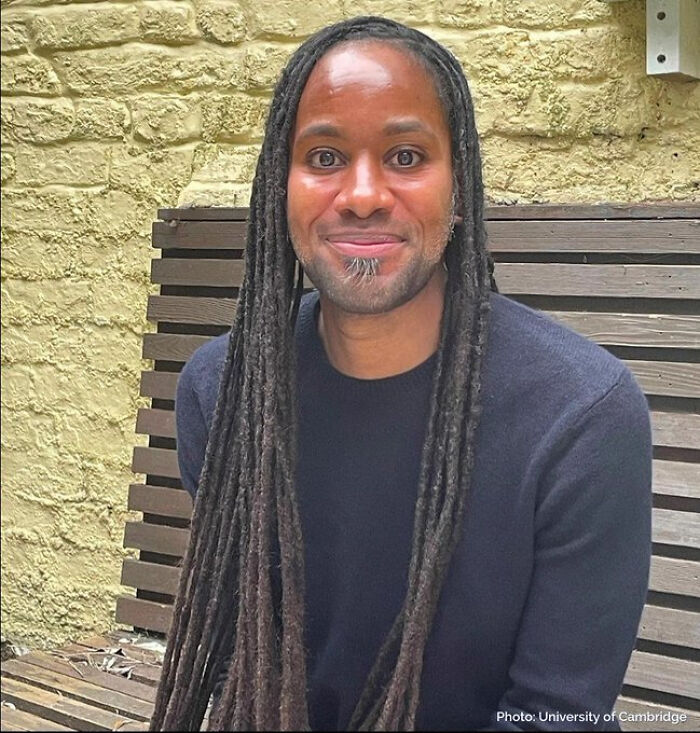
#1 As A Child, Jason Arday Was Developmentally Delayed And Couldn’t Speak Until He Was 11. He Didn’t Learn To Read Or Write Until He Was 18. He Just Became The Youngest Black Professor Ever At Cambridge University
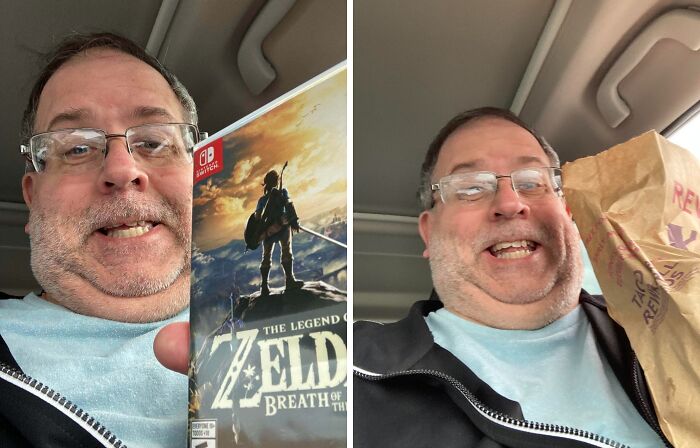
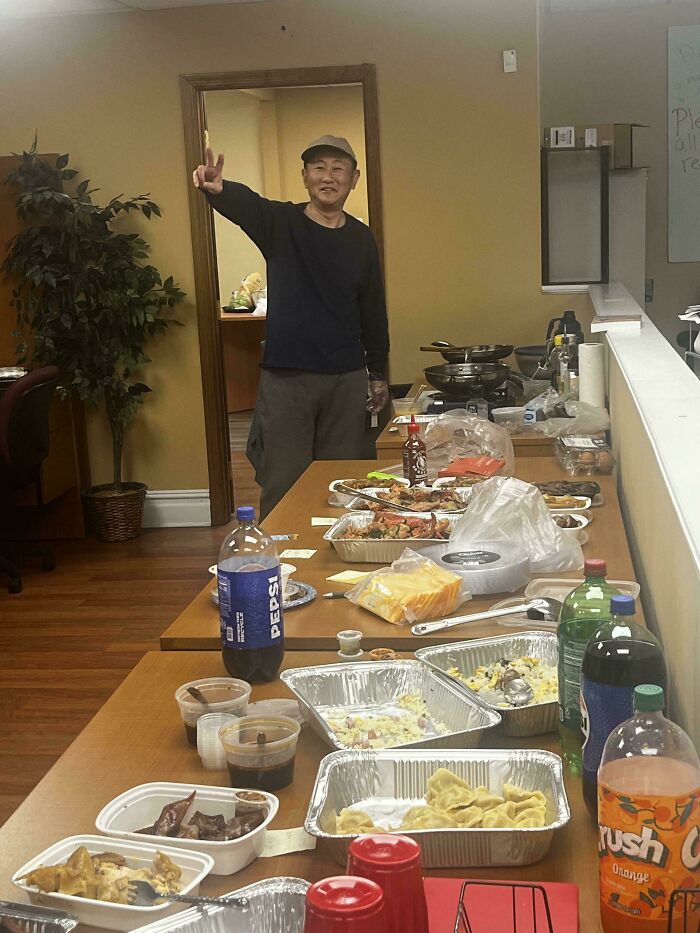
#12 I’ve Been Really Sick Recently And Can’t Leave The House, My Dad Said He Was Leaving For A Few Minutes. Got These Pics From Him As He’s Coming Home With The Game I’ve Been Saving Up For And Taco Bell
It might come as a surprise to learn that our brains actually light up in a few different areas at once when we consume funny content on the internet. These posts actually feel like small rewards to our minds, releasing mood-boosting chemicals that provide instant satisfaction and a brief emotional lift.
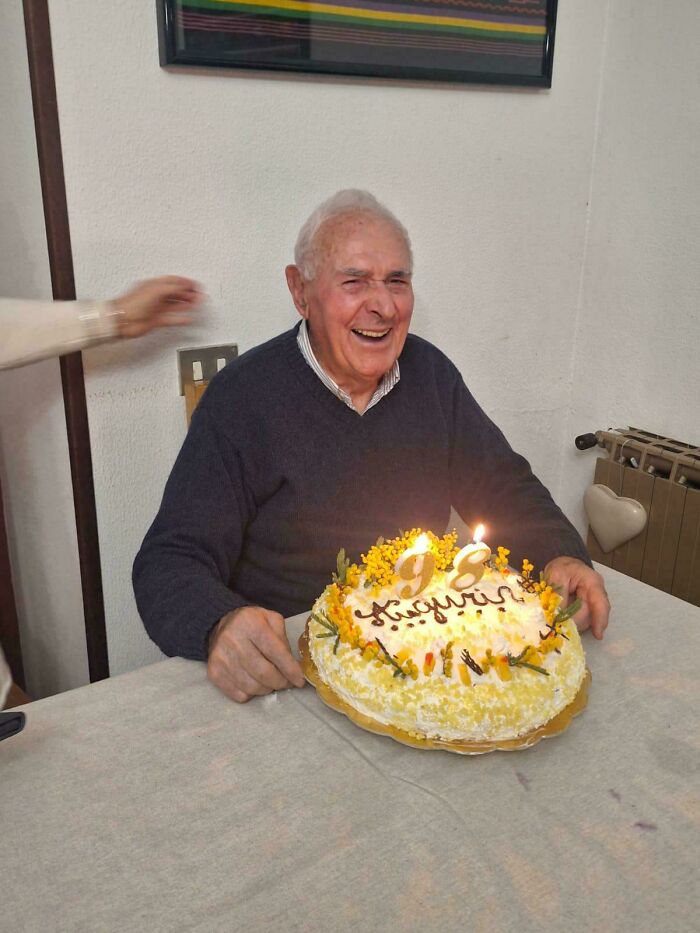
#13 My Grandps 98yo. Faked A Denied Renewal Of His Driving Licence. Drove Around 3 Days Terrorising The Whole Family Before Revealing Prank. F-Ing Legend!
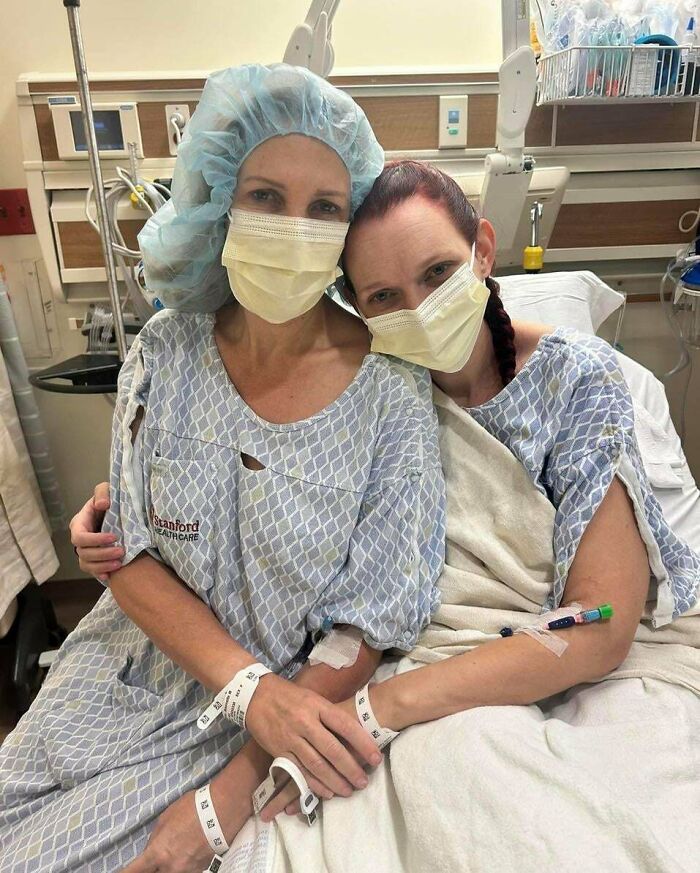
#15 My Aunt Saved My Life By Being A Live Liver Donor For Me. Was Put On The Transplant List In February, Doctors Thought I Wouldn’t Make It Before I Got An Offer. My Aunt Volunteered And Gave Me The Gift Of Life. She Is My Hero!
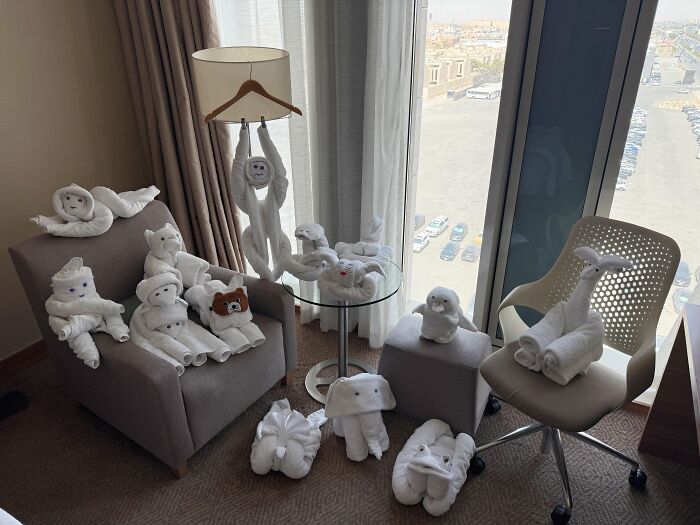
#16 My Hotel Room Cleaner Made Me A Towel Animal, And Over The Next Weeks He Left Them There Until It Became A Towel Zoo
I was staying in the Hilton hotel in Riyadh for several weeks for work, and my hotel room cleaner from Nepal left me a towel animal. I left him a note asking if he could leave it there the next time he cleaned my room, and he did. And over several weeks the collection kept growing until the day I checked out. Such a nice highlight to my extended stay and I left him a little hamper of snacks and a tip to say thank you (there was actually at least six more animals he made but they slowly lost their shape over time).
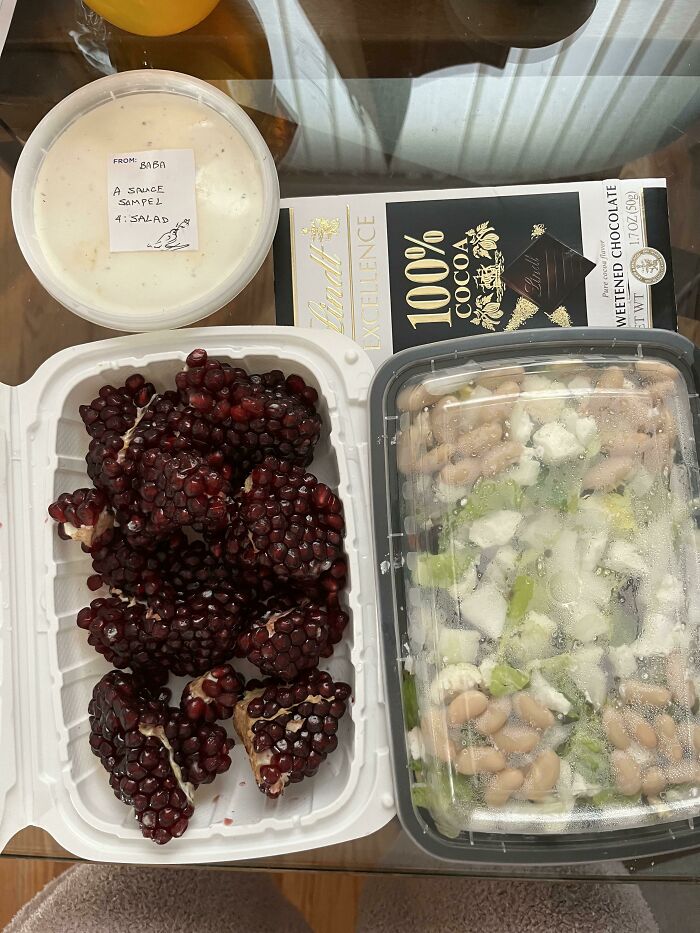
#19 Recently I Befriended A Neighbor In His 80s Whose Family All Live Far Away. Today He Made Me A Salad With Homemade Dressing, Peeled Pomegranate For Me, And Gave Me Chocolate On My Way Home From Work
Did you know that it has been proven that people are more likely to share bad news online than positive stories? This is because when something’s shocking, unbelievable, or depressing, it automatically feels more “share-worthy,” and is bound to spread faster than warm and fuzzy content.
#26 In 2023, A Random Private Jet Pilot From TikTok Helped Me Get My 15 Year Old Dog Back Overseas With Me. We’re Married Now
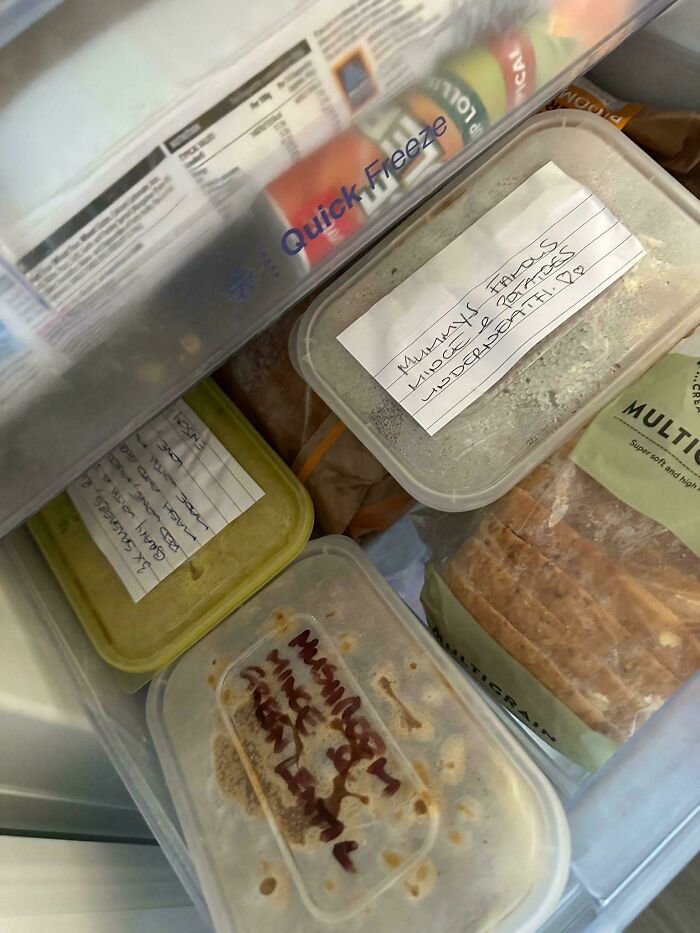
#36 I Live Alone And Have Been Suffering From Intense Depression. I’ve Been Struggling To Cook For Myself So My Mum Has Made Me A Variety Of Frozen Meals Equipped With Wholesome Notes 🥺
There’s actually a science behind why we find ourselves on social media for hours on end, and a lot of it comes down to doomscrolling. Recognized as a compulsive habit, this behavior is often motivated by an intense urge to feel safer and more in control by constantly staying in the know. Over time, doomscrolling can cause more anxiety, stress, and even make us feel more depressed than usual.
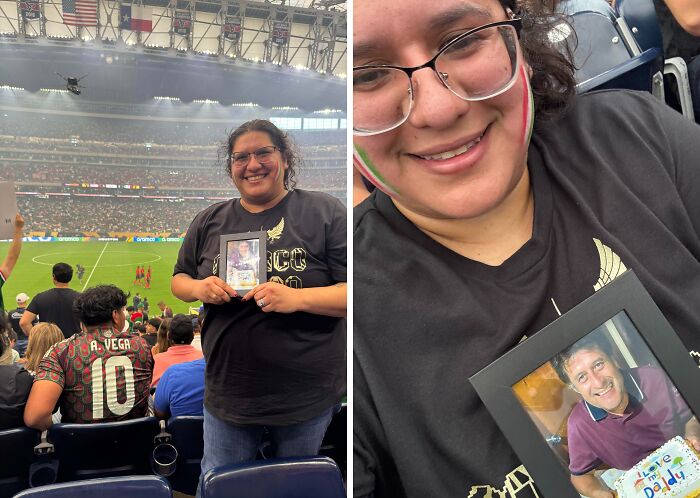
#37 I Took My Dad To The Match Fulfilling A 20+ Year Promise
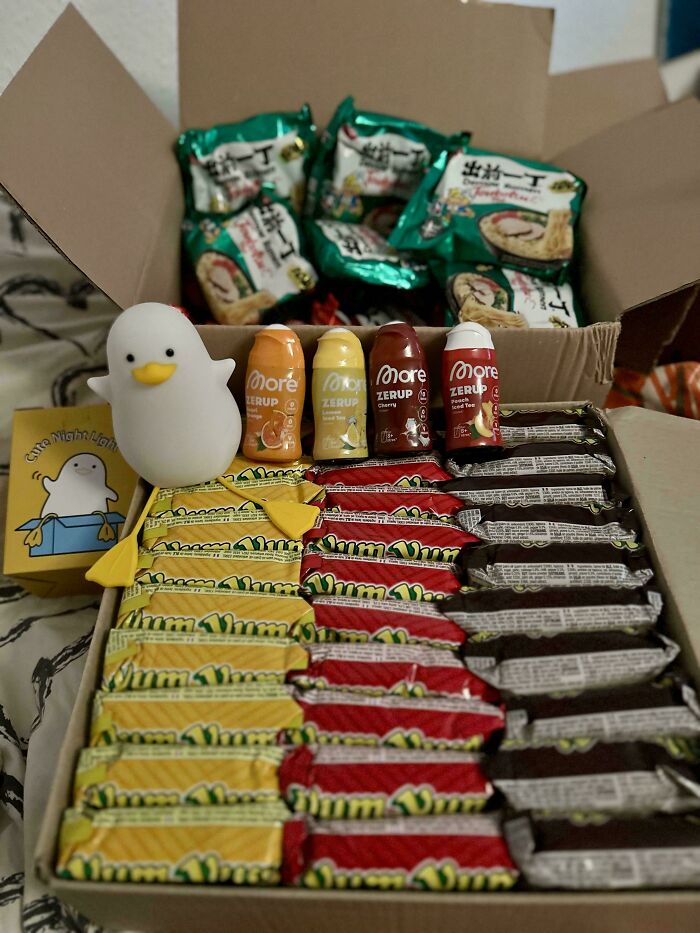
#38 My Best Friend Sent Me Not One, Not Two, But Three Care Packages Full Of Ramen, Drinks, And Even A Little Duck Night Light After I Told Him I Was Short On Food And Mine Had Broken