“The wound is the place where the Light enters you.” ~Rumi
I’ve spent most of my adult life helping people heal.
I’m a podiatrist, a foot and ankle surgeon, and I’ve seen pain in many forms. Torn ligaments. Crushed bones. Wounds that just won’t close. But if I’m being honest, the deepest wounds I’ve encountered weren’t the ones I treated in my clinic. They were the invisible ones, the ones that patients carried silently, and the ones I had unknowingly been carrying myself.
I used to think healing was straightforward. Diagnose. Treat. Follow up. Recover.
That made sense to me. That’s how I was trained. But life and people are rarely that neat.
Years ago, I was treating a woman in her mid-sixties with chronic foot ulcers from diabetes. Medically, we were doing everything right. The right dressings, offloading, antibiotics, regular check-ups. But her wounds weren’t healing. I couldn’t understand why. I grew frustrated. I started questioning my treatment plan. I blamed myself.
Then one day, she said softly, “Sometimes I don’t even want them to heal.”
She wasn’t being difficult. She was being honest.
Her husband had passed, she lived alone, and these appointments were one of the few times someone checked in on her, looked her in the eye, and asked how she was. Her wounds gave her a reason to be seen.
That stopped me in my tracks.
I realized I had been treating her foot, but I wasn’t seeing her, not fully. I was missing the emotional story behind the physical wound. And in doing so, I was also missing something in myself.
I had always prided myself on being composed, efficient, capable. Residency had trained me to push through fatigue, stress, and long hours. It rewarded perfectionism and punished vulnerability. So I wore my resilience like armor.
But under that armor, I was tired. I was emotionally dry. I felt disconnected from the very thing that made me want to become a doctor in the first place: the human connection.
It wasn’t until I saw the pain beneath my patients’ stories—grief, loneliness, shame, fear—that I started to acknowledge the pain I was carrying too.
Not physical pain. Not burnout in the textbook sense. But something softer and harder to name: an unspoken ache to feel more whole.
I’ve had patients apologize to me through tears for “wasting my time,” as if their suffering wasn’t worth attention. I’ve had patients tell me stories of trauma that had nothing to do with their feet but everything to do with why they weren’t healing.
I started listening more. I stopped rushing. I began asking, “How are you, really?” And slowly, as I created space for others to be vulnerable, I began to offer that space to myself too.
I started journaling again. I made peace with taking time off. I reconnected with friends I had been “too busy” to call. I spoke to a therapist, not because I was in a crisis, but because I was curious about the parts of myself I had ignored for too long.
Healing, I learned, isn’t always about fixing what’s broken. Sometimes, it’s about acknowledging what hurts, even if there’s no clear diagnosis.
In medical school, we’re trained to be experts. To have answers. To guide.
But healing, real healing, doesn’t always happen in the exam room. Sometimes it happens in a quiet moment of shared understanding, when two human beings drop their roles and just see each other.
I’ve stopped pretending I have it all together. I’ve started being more honest with myself and with others. My patients sense that, and I think they trust me more because of it. Not because I’m perfect, but because I’m real.
What Have I’ve Learned?
Healing isn’t linear. Neither is growth. People don’t just want to be fixed. They want to be seen.
Pain isn’t always physical. And sometimes the deepest wounds are the quietest.
Presence heals more than performance.
I don’t think I’ll ever stop learning how to be human. But I’m grateful my patients have given me the space to try, not just as their doctor but as a fellow traveler on the road to healing.
Dr. Rizwan Tai is a Houston-based podiatrist and former Chief Resident at UT Health San Antonio. He’s passionate about the human side of healing both for patients and providers. When he’s not in clinic, Rizwan enjoys reflective writing, long walks, and conversations that go beyond surface level. Visit him at vitalpodiatry.com.
“We can’t receive from others what they were never taught to give.” ~Unknown
When I was younger, I believed that love meant being understood. I thought my parents would be there for me, emotionally and mentally. But love, I’ve learned, isn’t always expressed in the ways we need, and not everyone has the tools to give what they never received.
As an adult, I’ve learned something both liberating and heartbreaking: Parents can only give what they have.
I used to get frustrated that my parents couldn’t really understand my mental health struggles. The realization didn’t hit me suddenly. It settled in slowly, in moments when frustration turned into sadness, hurt, and a quiet kind of grief. When I finally allowed myself to face the loneliness and disappointment I’d pushed aside for years, I began to accept it.
If they were never taught emotional regulation, how could they show it to me?
They loved me with the language they knew, even if that language was incomplete.
Later, I realized they never had the tools or support to understand their own emotions. They weren’t ignoring me; they simply didn’t have the capacity. They came from a different generation, with limited knowledge and very little space to explore feelings. Understanding that changed the way I saw them.
Accepting their limitations wasn’t about excusing the harm or pretending everything was fine. It was about finally letting go of a dream that kept me stuck—the dream that one day, they’d become the parents I wished for.
There were moments when I felt deeply misunderstood, like when I tried to talk about my anxiety and was told to just be strong. I didn’t need advice; I needed comfort. Those moments made me realize how different my emotional world was from theirs.
The acceptance can be bittersweet. I had to grieve what I needed but never received—the comfort when I was overwhelmed, the emotional safety to speak freely, and the validation that my mental health struggles were real and not weakness.
Grieving meant sitting with the hurt of being misunderstood, the loneliness of carrying feelings on my own, and the disappointment of not experiencing the closeness I had hoped for. Allowing that grief was painful, yet it also made space for healing.
And it brings a strange kind of freedom.
When I stopped expecting my parents to meet needs they couldn’t meet, I created space for fulfillment elsewhere—through personal growth, meaningful friendships, and chosen family.
Releasing those expectations felt like finally setting down a heavy weight I had carried for years.
I began building my own emotional vocabulary and learned how to soothe the parts of me that once screamed for their understanding. At the same time, my relationship with my parents shifted, not because they changed, but because I stopped measuring them against a version they couldn’t be. I could see them more clearly, with compassion and honesty, and in that clarity, I found peace.
This doesn’t mean it’s easy to be kind and compassionate toward them.
Some days, my inner child still rises up, hurt and angry. Compassion isn’t automatic; it’s a practice. A mindful decision to keep the past from shaping today.
When my inner child rises up:
I feel sudden waves of hurt, anger, or frustration.
Old memories or unmet needs surface, sometimes triggered by small events.
I might withdraw, snap, or ruminate, replaying the moments I felt unseen.
Physically, it feels tense, restless, or tearful.
When I offer compassion:
I pause and acknowledge the feelings without judgment: “It’s okay to feel hurt; this was hard for you.”
I consciously soothe the younger part of me through self-talk, journaling, or comforting routines.
I remind myself that I am safe now and have the tools and support the younger me lacked.
The anger softens, tension eases, and I feel steadier, calmer, and more present.
Impact:
When left unchecked, the inner child keeps me stuck in old patterns, replaying grief and frustration.
Offering compassion validates my experiences, interrupts cycles of shame, and creates space for healing and growth.
Here’s what helps me when it’s hard:
Remembering their humanity
They are not only parents; they are people shaped by their own pain, fears, and limitations. I came to see that their distance or emotional unavailability wasn’t about me but about the wounds and fears they carried from their own lives. Understanding this shifted my frustration into compassion, even when their actions had once hurt me.
Holding two truths at once
I can acknowledge the hurt and understand their struggles. Compassion doesn’t cancel out pain.
Reparenting myself
When I give myself the care I needed as a child, I loosen the grip of old expectations.
It looks like noticing my own feelings without judgment, offering comfort when I’m anxious or sad, and reminding myself that it’s okay to need support.
It means setting boundaries I wished I had, speaking kindly to myself, and creating small rituals of safety and reassurance—a warm cup of tea, journaling, or simply sitting quietly with my emotions.
Reparenting isn’t a single act; it’s a series of mindful choices that teach my inner child they are seen, valued, and loved.
Setting boundaries without guilt.
Acceptance doesn’t mean unlimited access. I can love them and still protect my peace.
Finding my own teachers.
Emotional growth can come from therapy, community, or personal reflection. I’m no longer waiting for them to teach me.
Letting go of the hope that someone will change is one of the most painful forms of love. And sometimes, it’s the only way to make space for your own growth.
I’ve stopped expecting my parents to give me what they never knew how to give, and I’ve begun giving myself the love and care I was missing. Sometimes healing begins with accepting them as they are and then turning that compassion inward.
Shobitha Harinath is a photographer and writer who explores self-growth, healing, and relationships through personal reflection. Her writing offers a space to understand emotions, connection, and inner transformation. Follow her on Instagram: @maybe_existential.
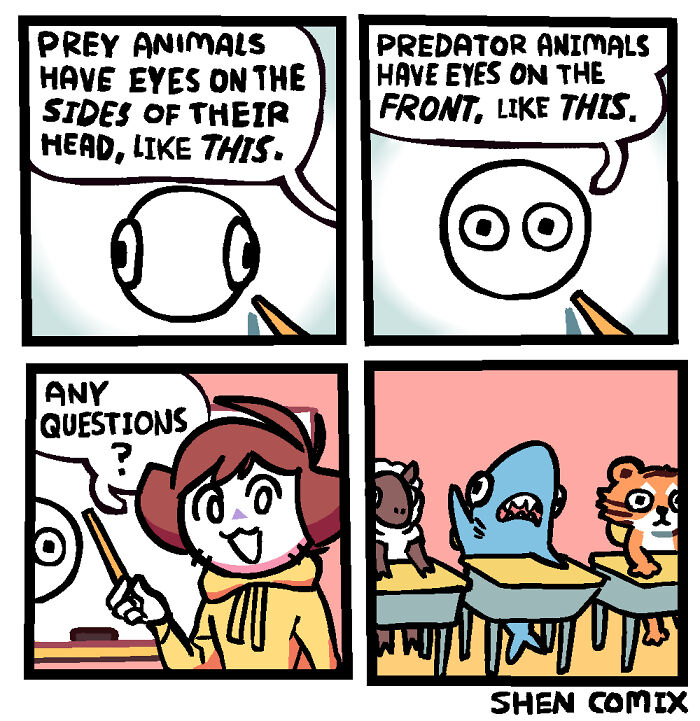
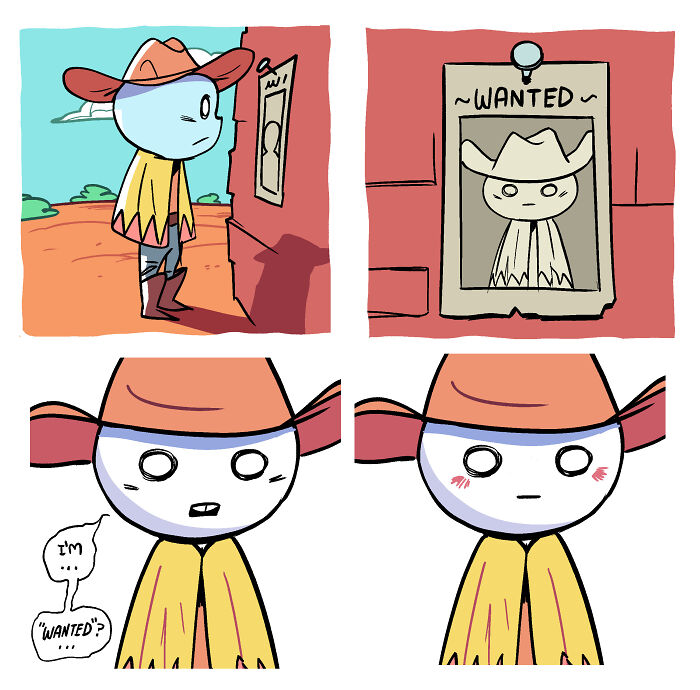
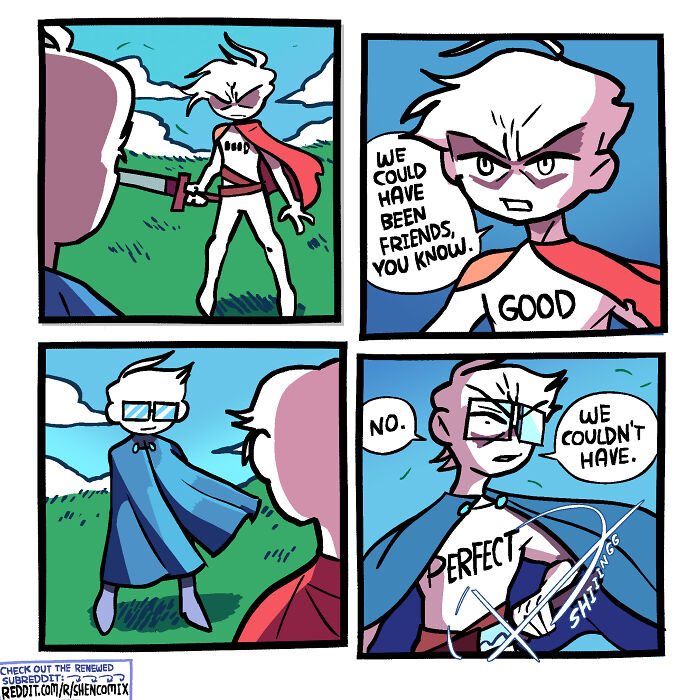
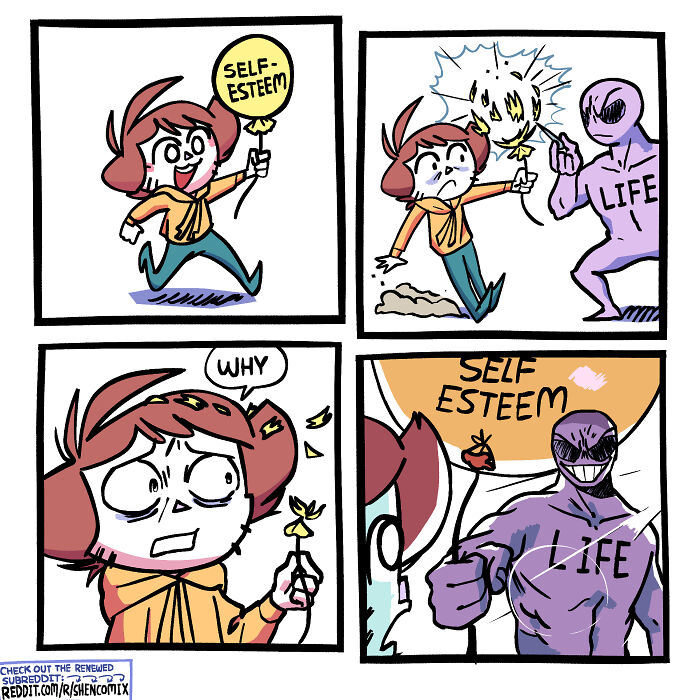
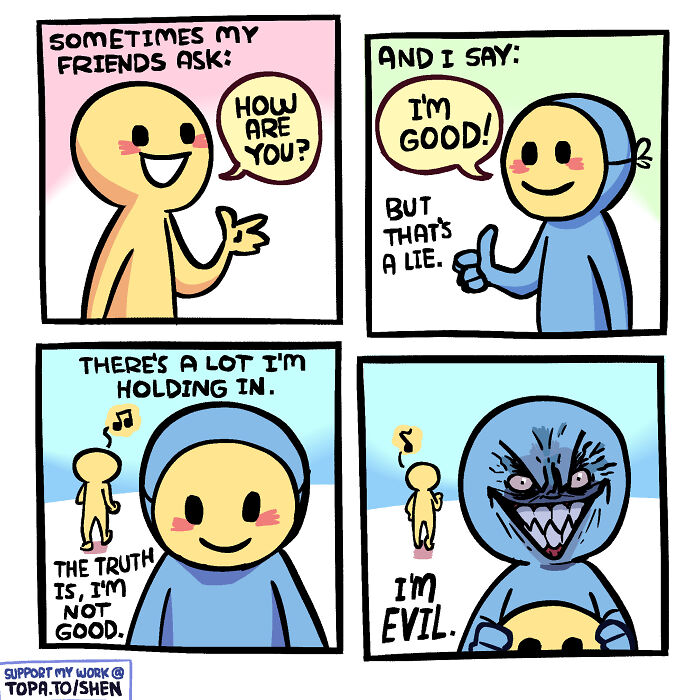
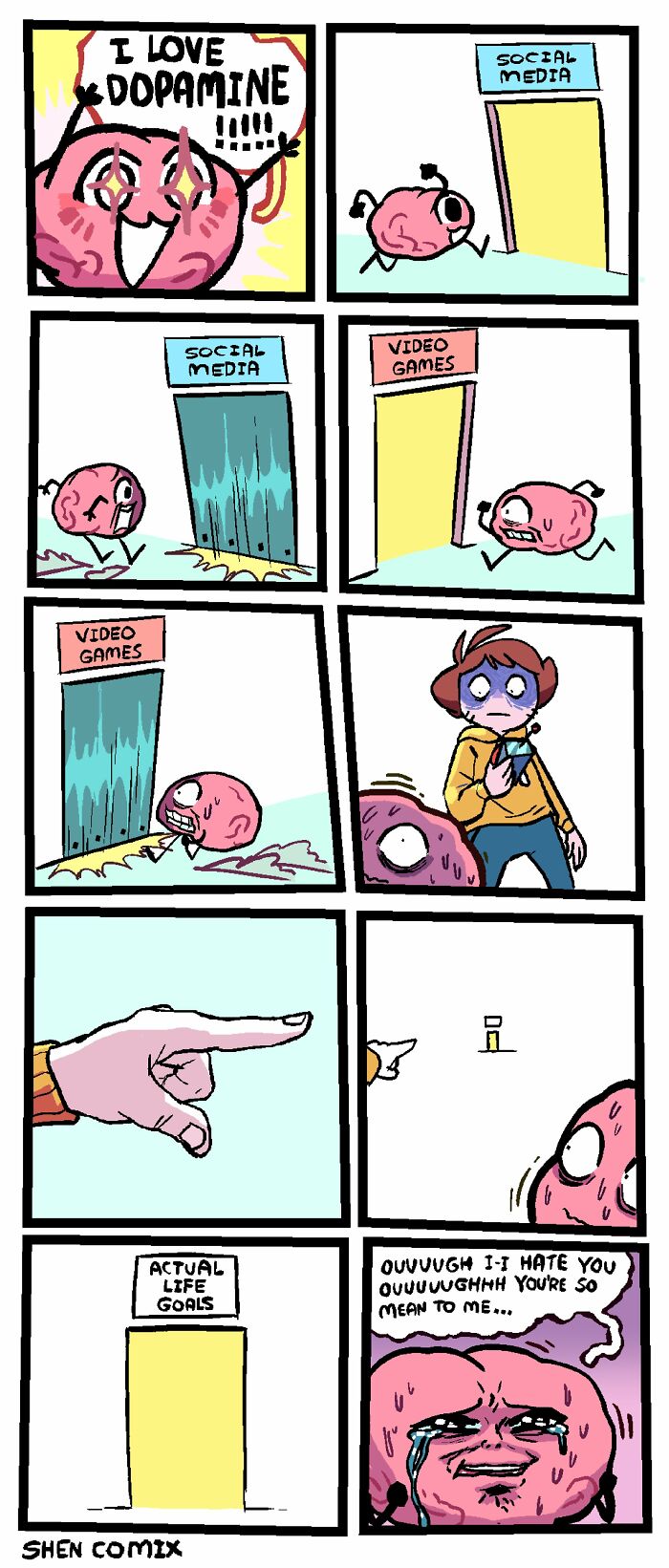
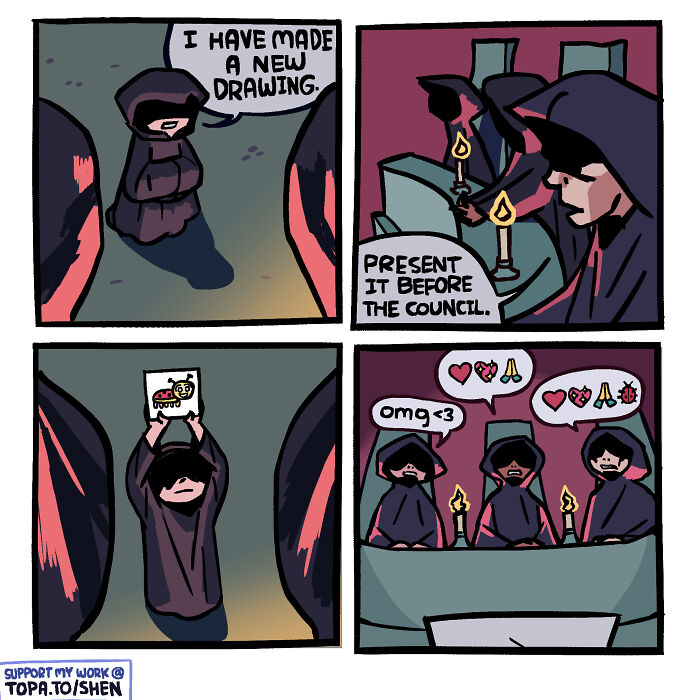
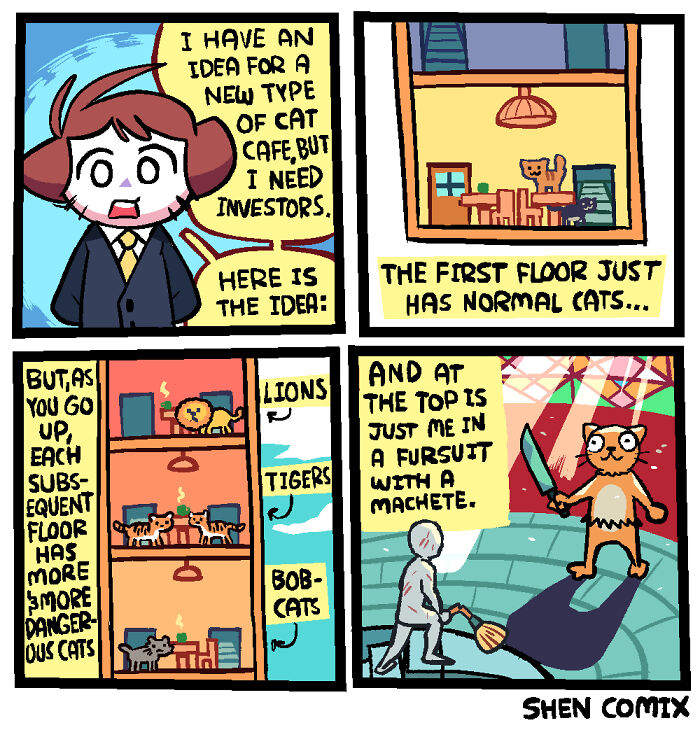
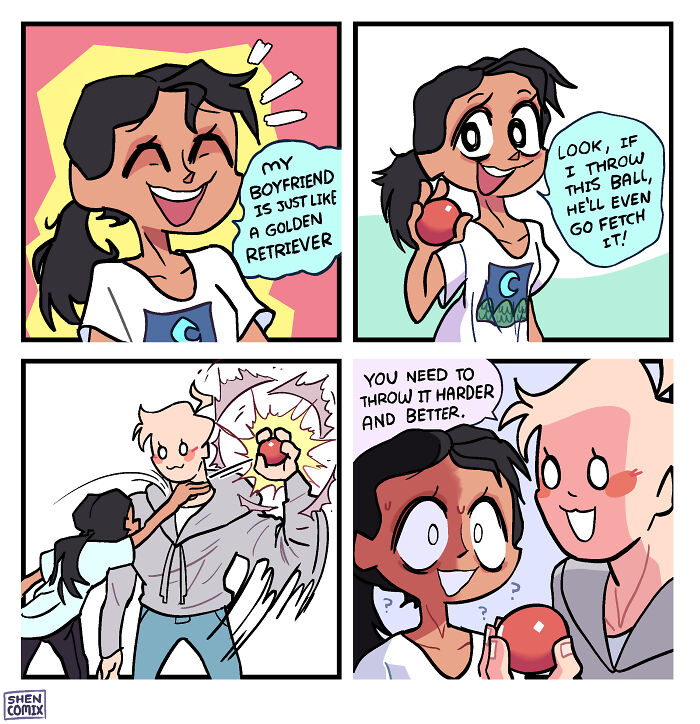
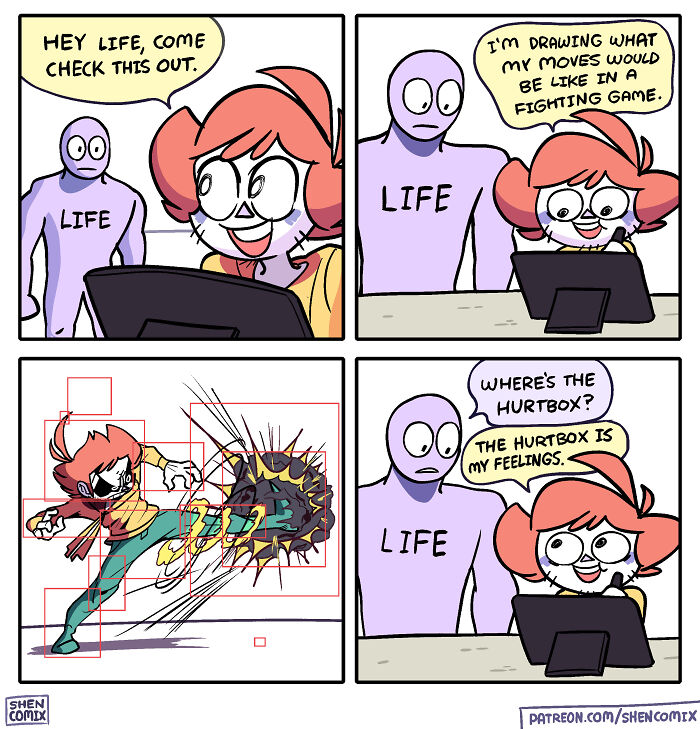
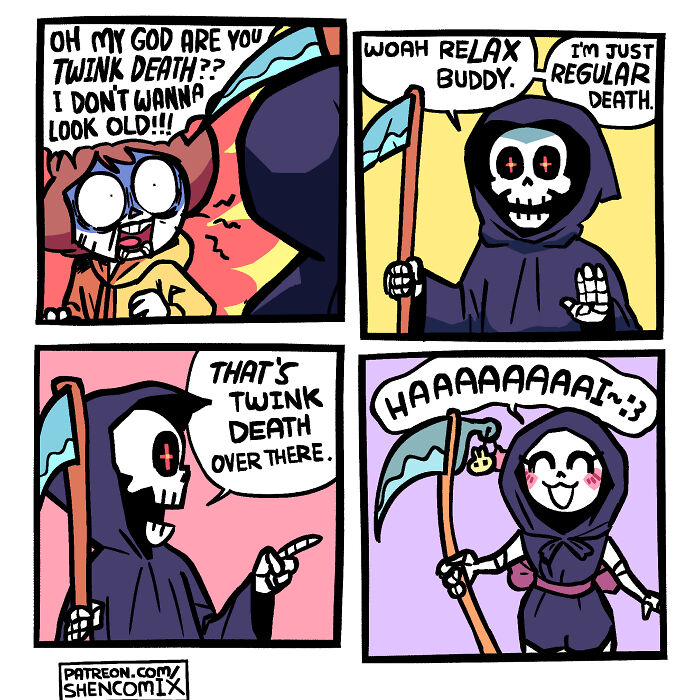
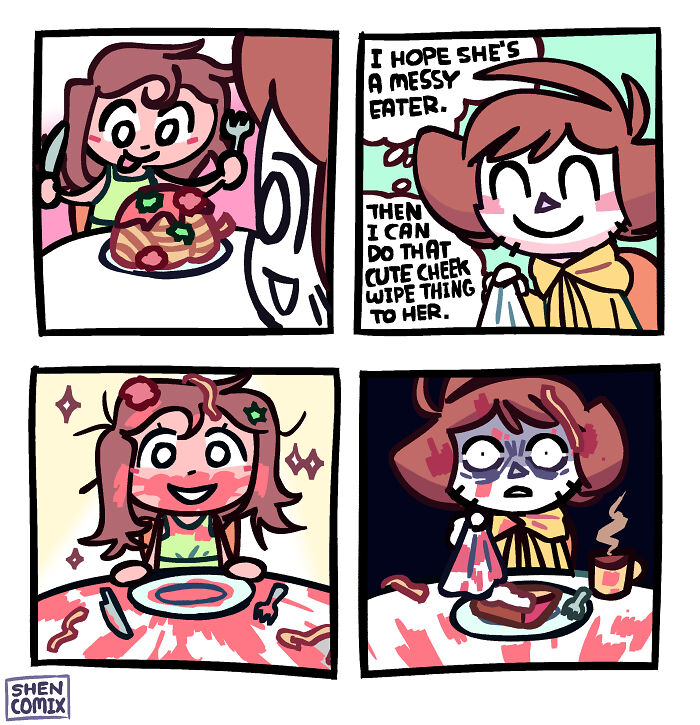
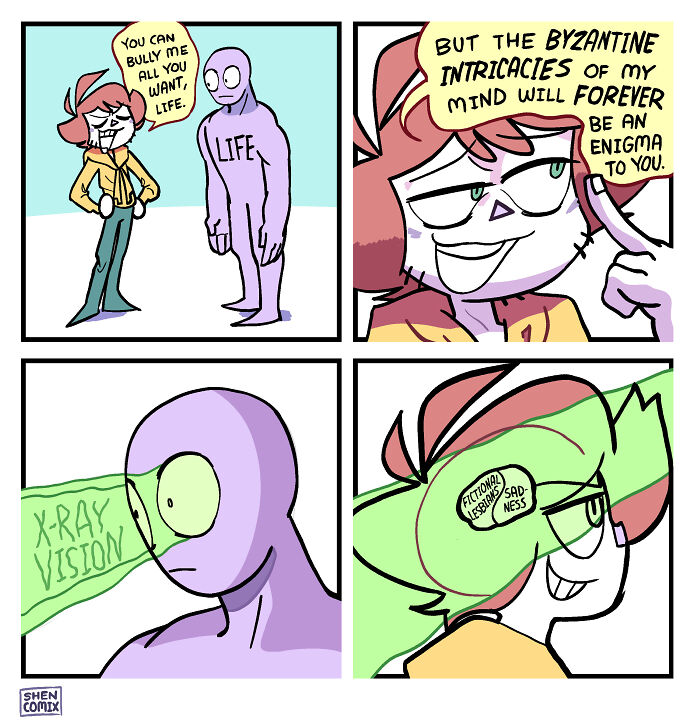
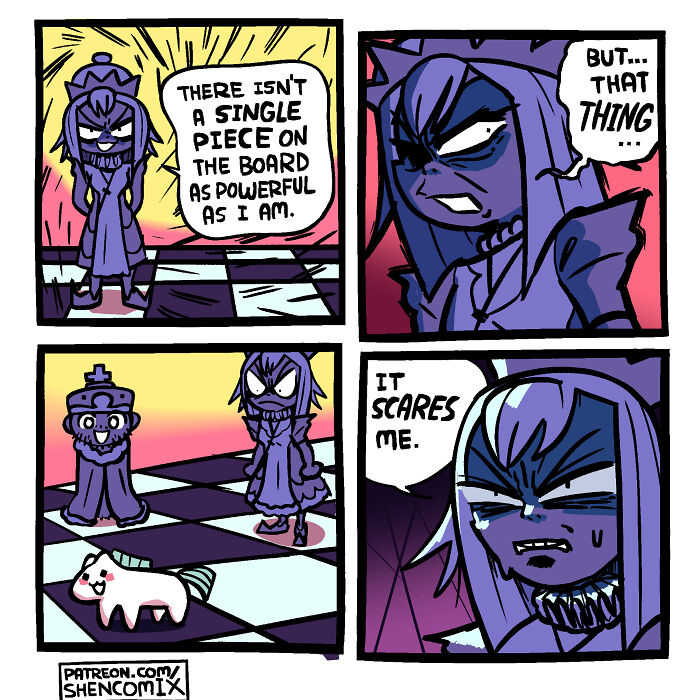
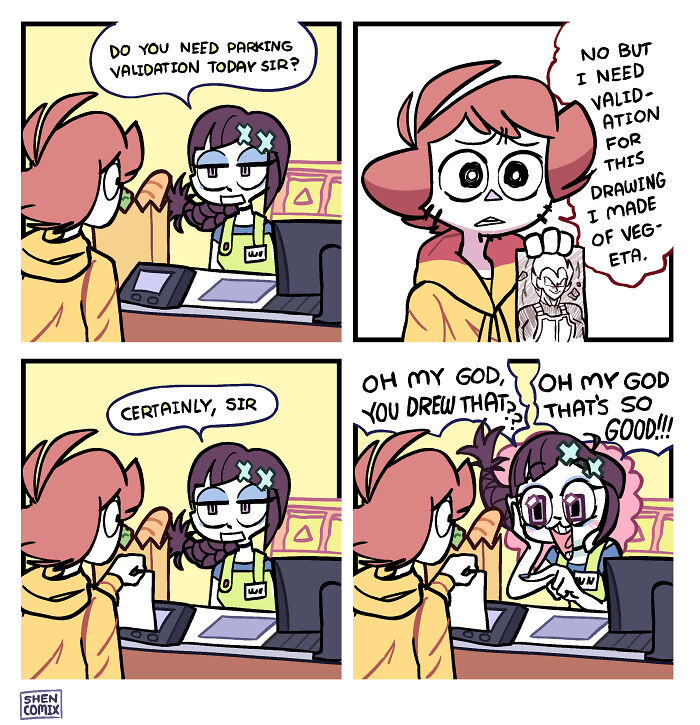
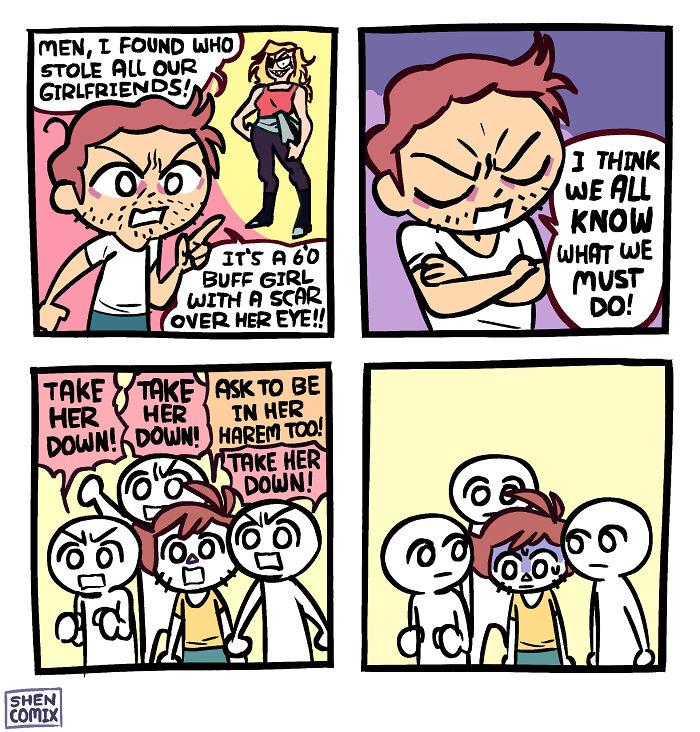
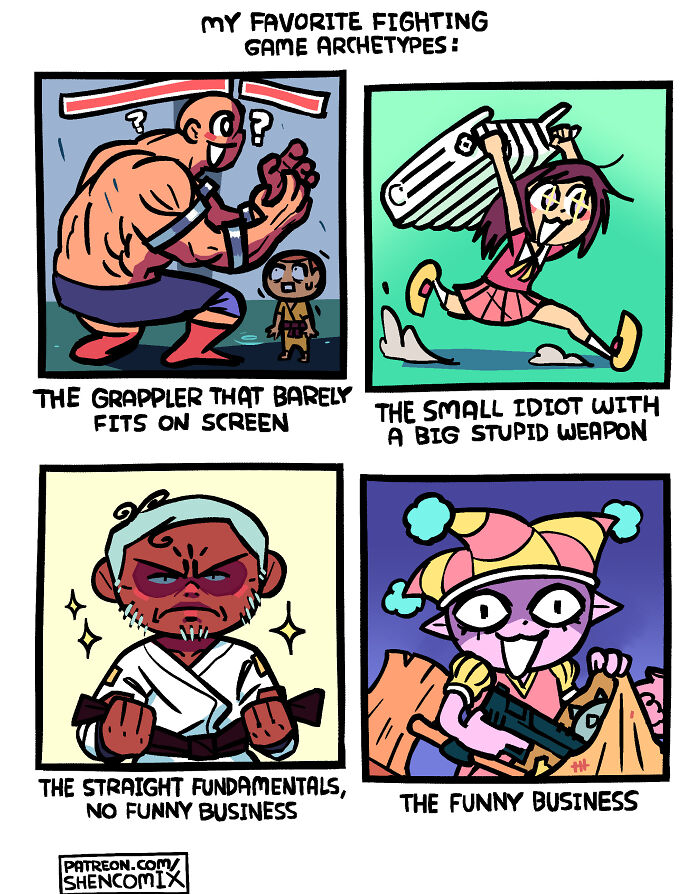
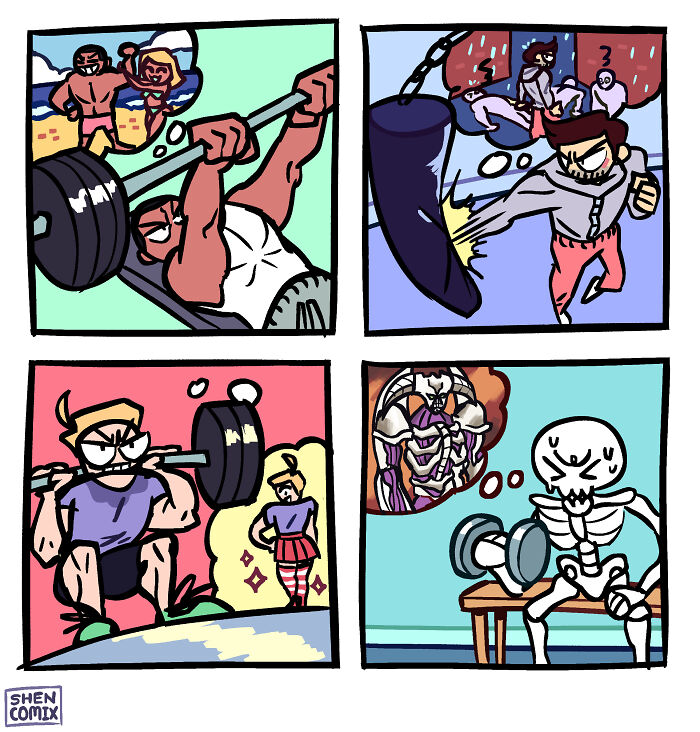
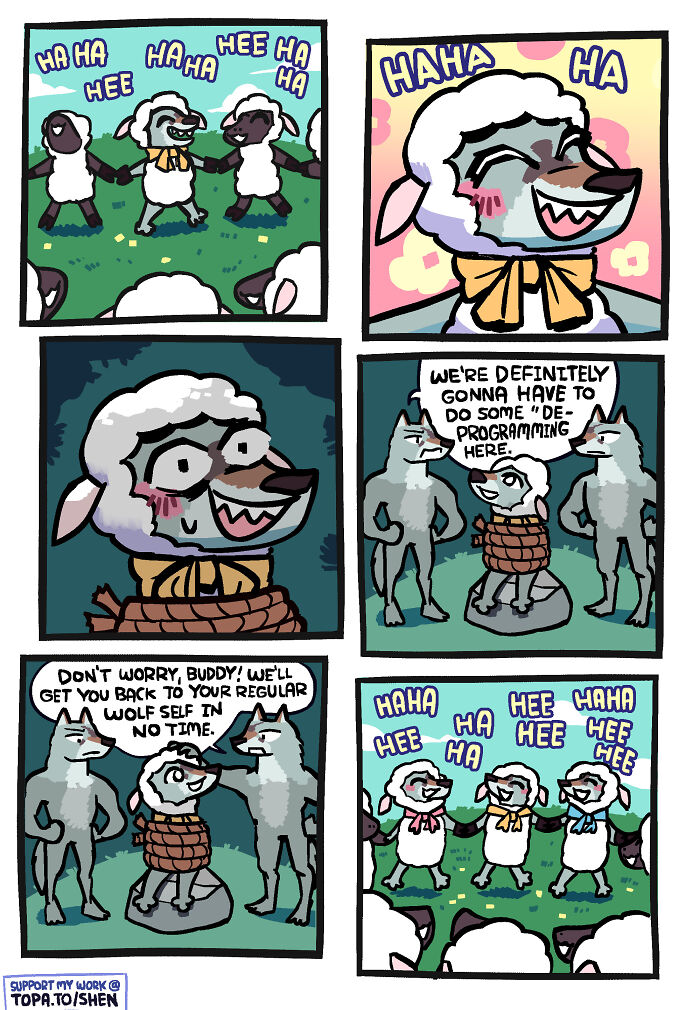
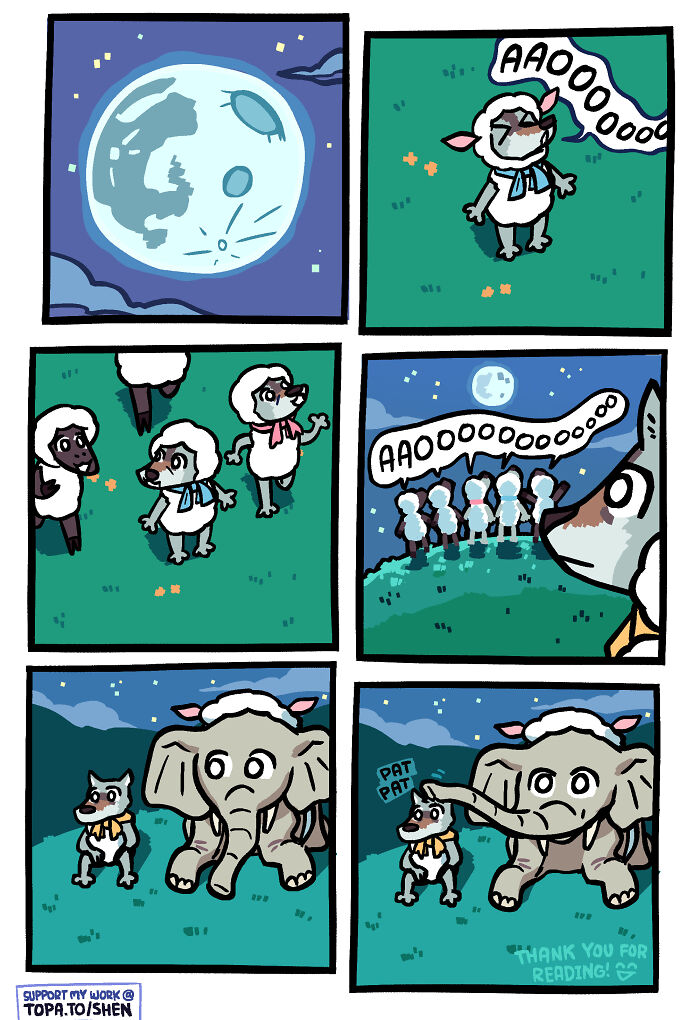
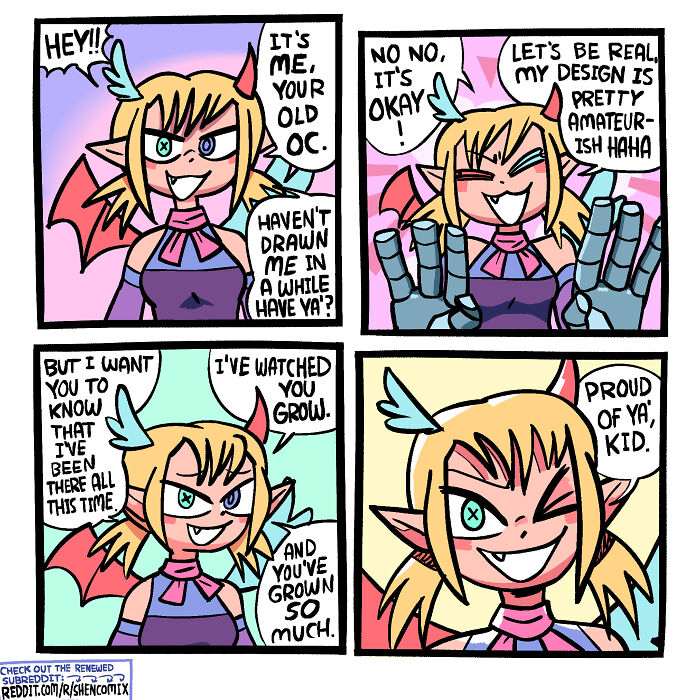
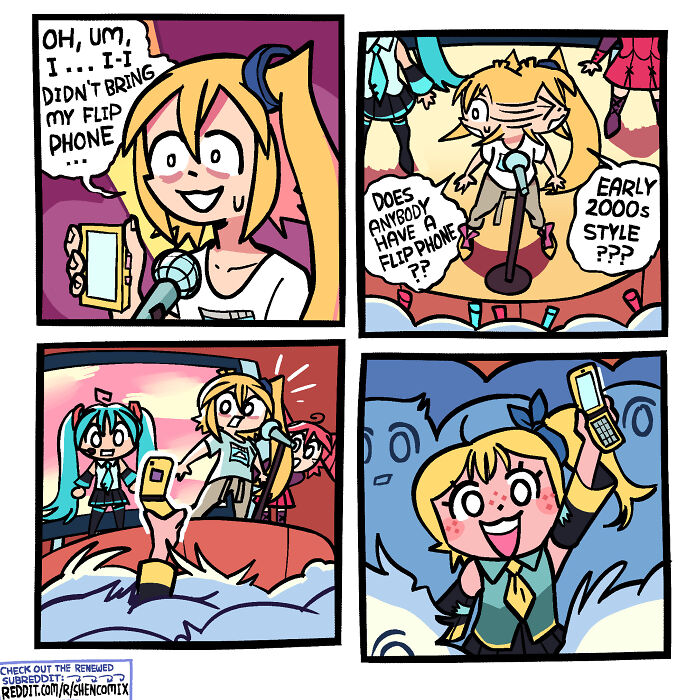
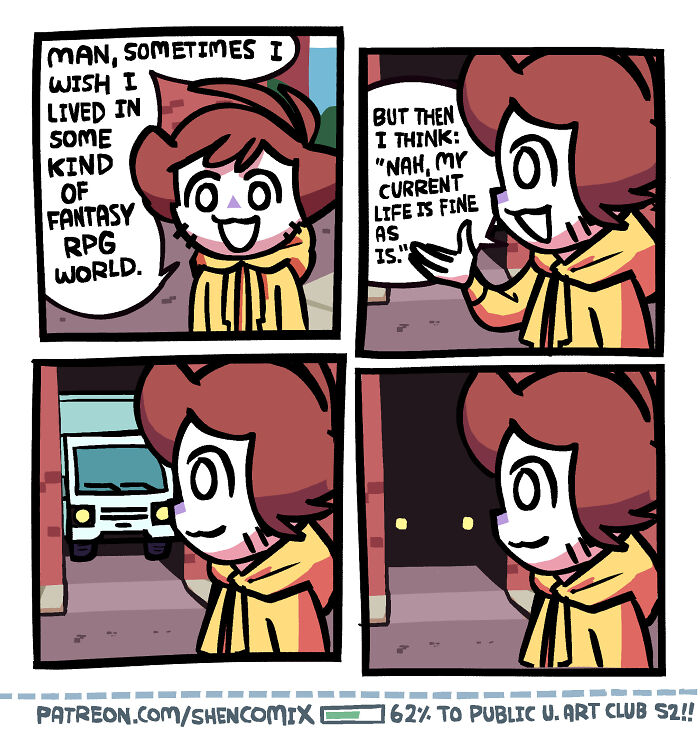
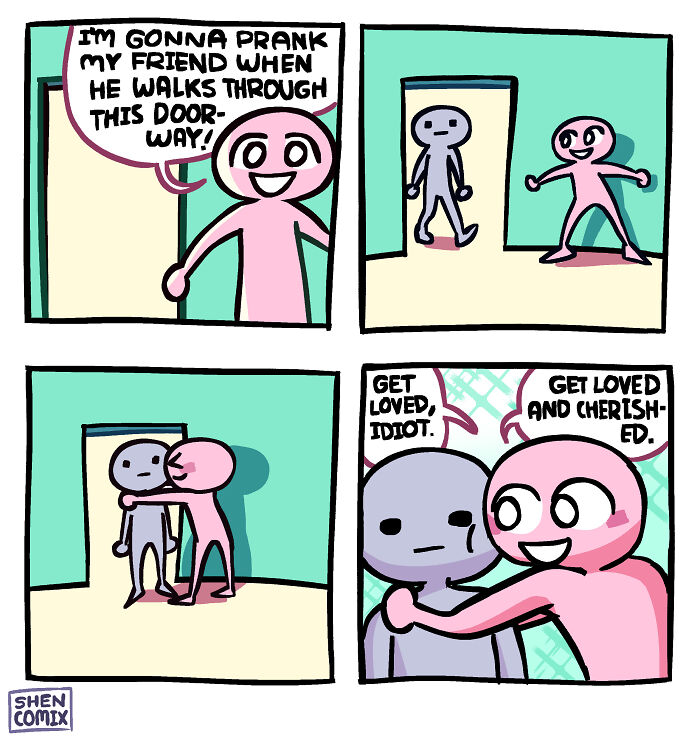
Shen Comix is known for its funny, absurd, and painfully relatable takes on everyday life. Created by Massachusetts-based artist Shen, the comic began during his college years, when he started sharing strips online and came up with the name during a late-night moment of inspiration – partly because it was simple and affordable.
Scroll down to dive into Shen Comix’s hilarious and absurd world – each comic perfectly captures the ups, downs, and awkward moments of everyday life. From laugh-out-loud observations to relatable little truths, these 39 comics have been loved by readers for their humor, honesty, and unmistakable style. Keep scrolling – you won’t want to miss a single moment!
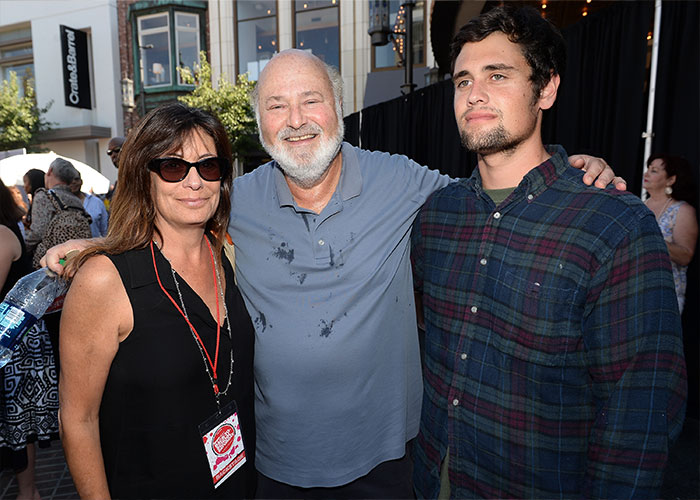
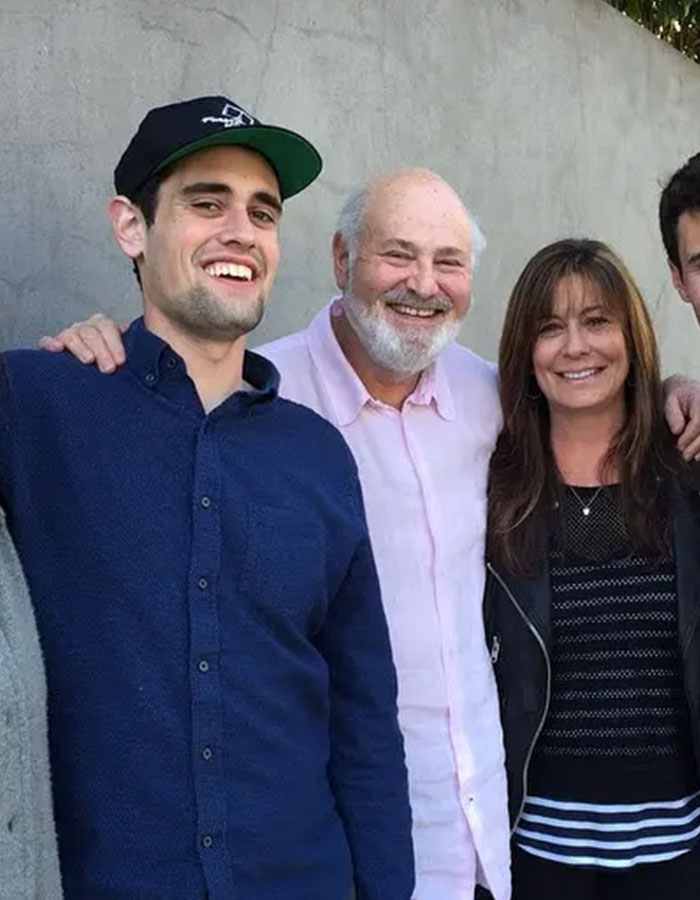
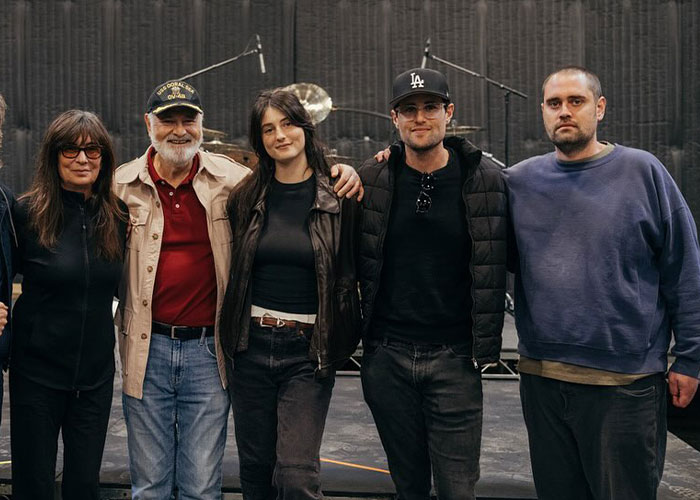
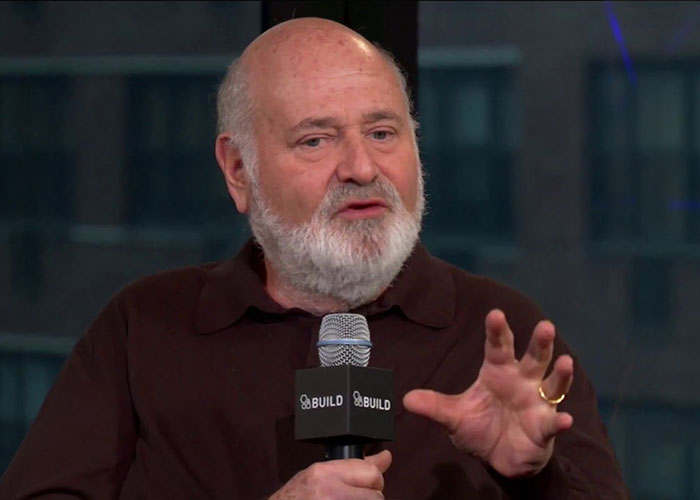
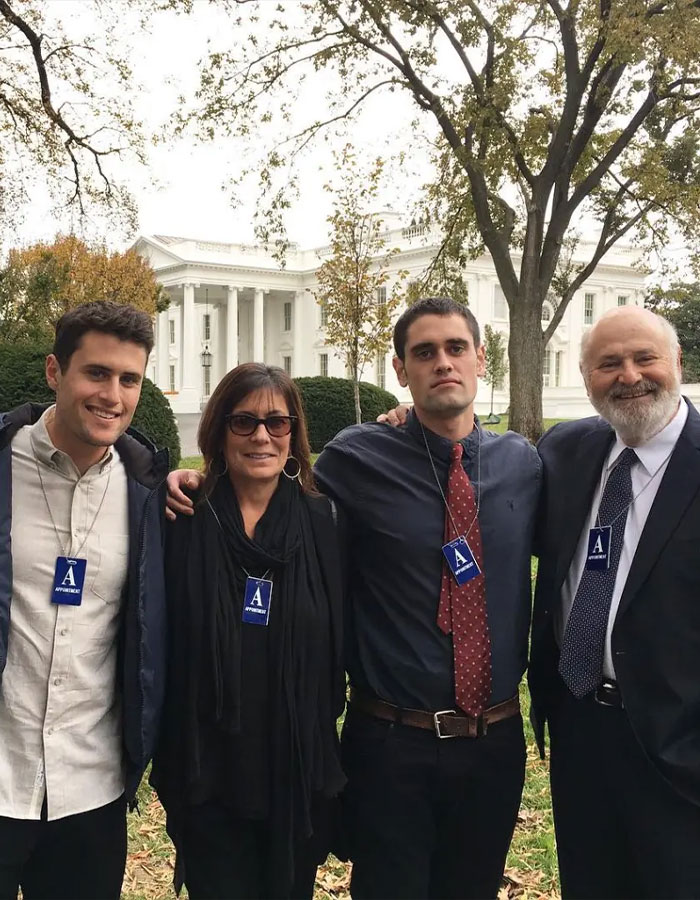
In the final hours before allegedly taking the lives of his parents, Rob Reiner’s son Nick spent behaving in ways that guests at an A-list Hollywood party now describe as unsettling and deeply alarming.
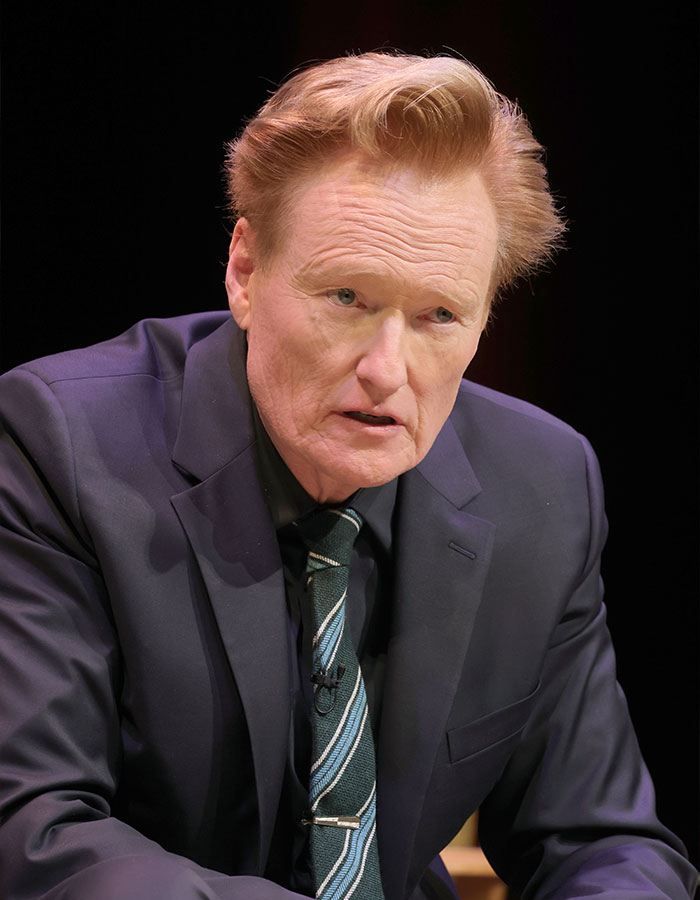
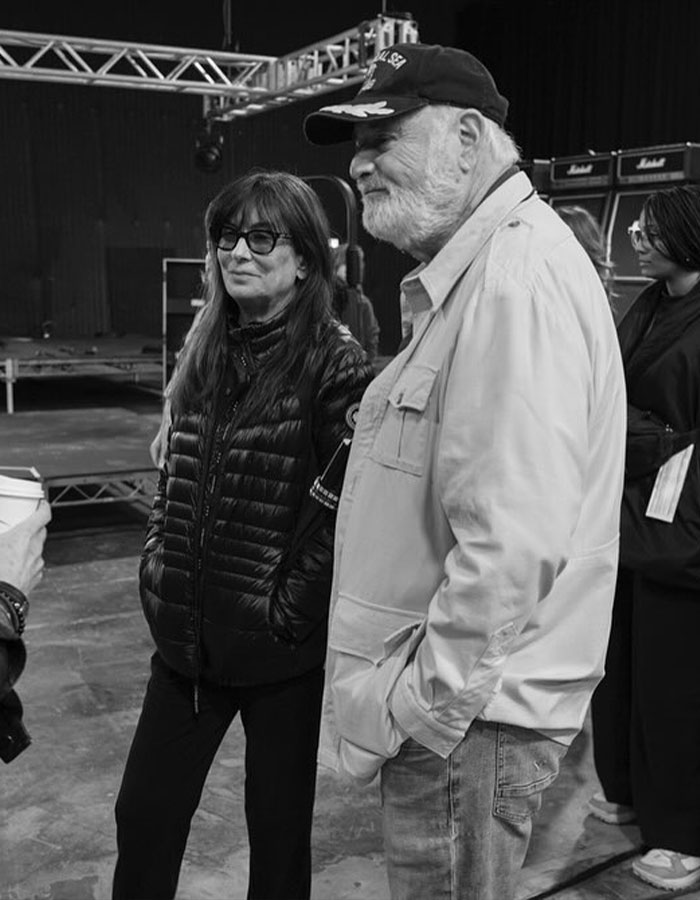
Less than a day before Rob Reiner, 78, and his wife Michele Singer Reiner, 70, were found fatally stabbed inside their Brentwood home, their 32-year-old son attended Conan O’Brien’s Christmas party alongside them.
What he said to celebrities that night, and how he behaved, has since taken on disturbing new weight after he was charged with two counts of first-degree homicide, particularly as details about why he was at the party in the first place have surfaced
He faces the possibility of capital punishment if convicted.
New details have emerged about why Nick Reiner attended Conan O’Brien’s Christmas party with his parents
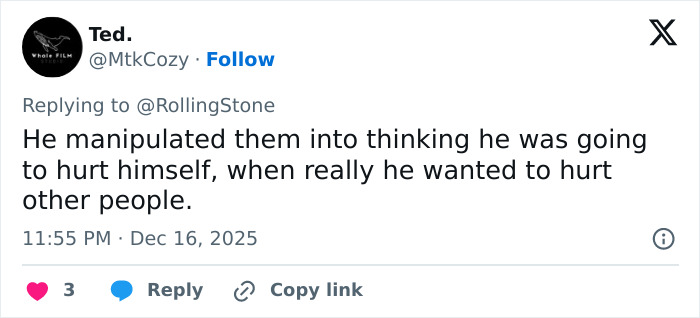
Multiple guests said Nick repeatedly asked the same questions to other attendees throughout the night, fixating on status and fame. Sources told People Magazine that he was “freaking everyone out.”
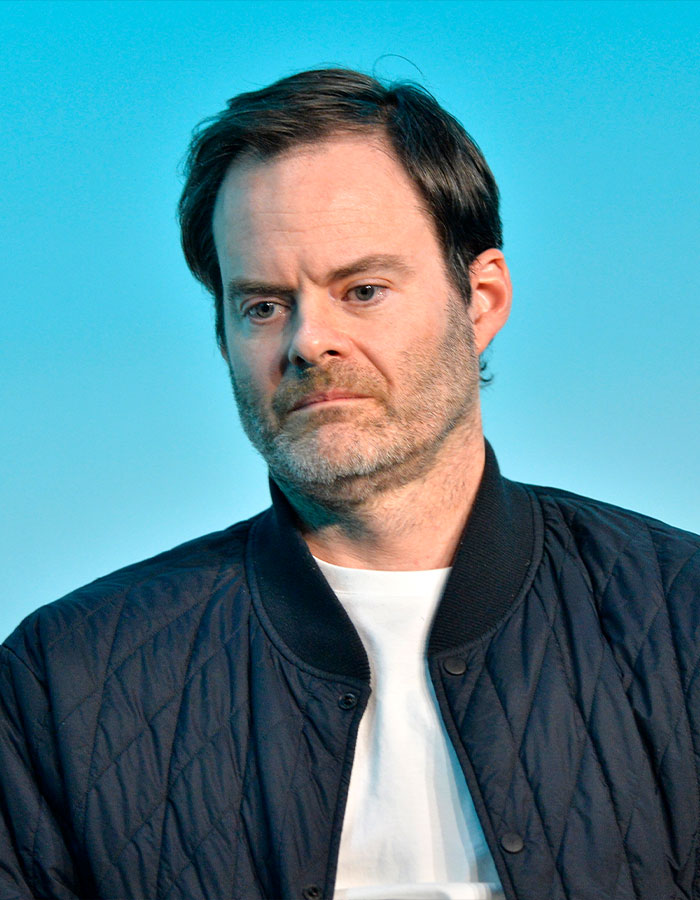
One witness told NBC News that Nick interrupted Hader while the actor was in, what he described as, a private conversation. When Hader told him so, Nick reportedly stood in place, stared, and then stormed off, leaving nearby guests unnerved.
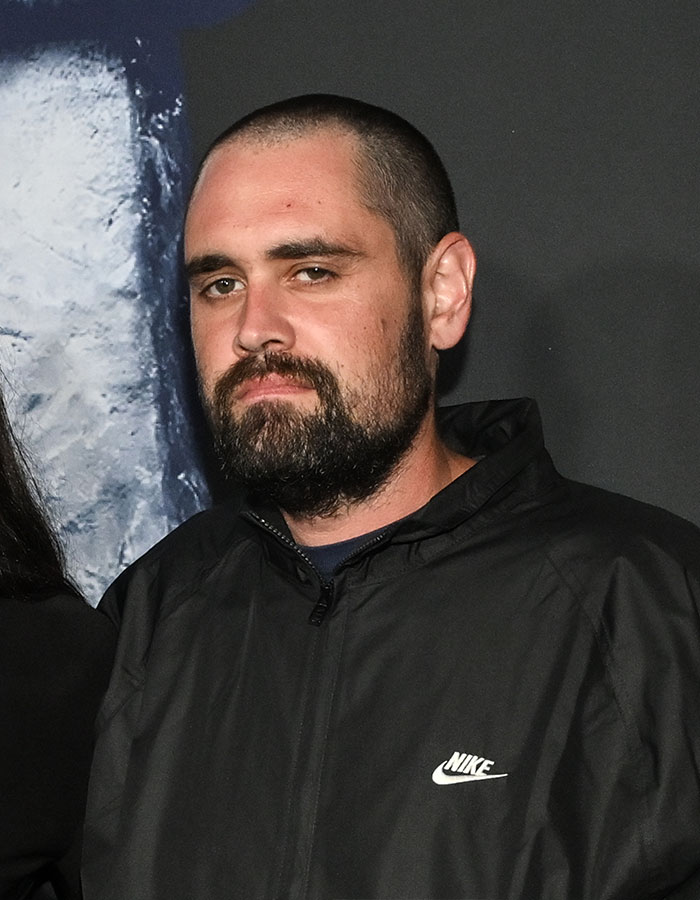
Another source told TMZ that Nick stood out sharply at the formal gathering because he was wearing a hoodie and looked disheveled – a stark contrast to the dress code of the star-studded event.
Page Six reported that Nick kept pestering partygoers with the same line of questioning until he was eventually asked to leave O’Brien’s home.
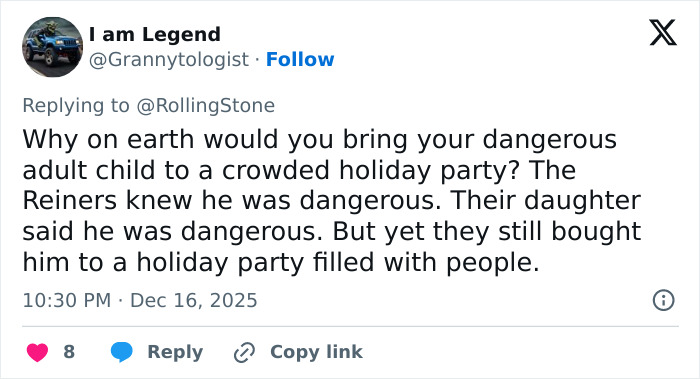
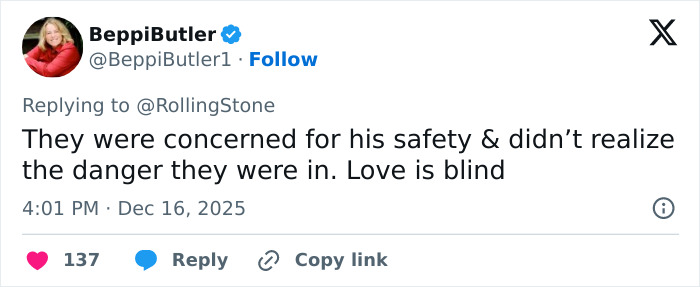
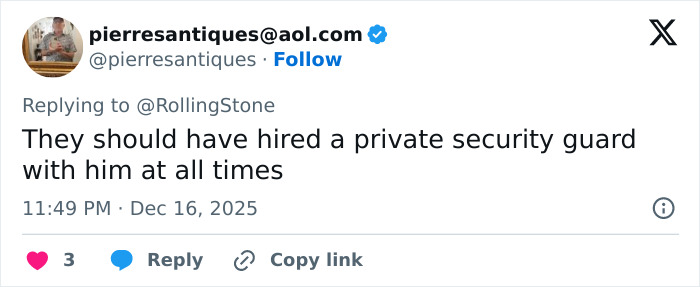
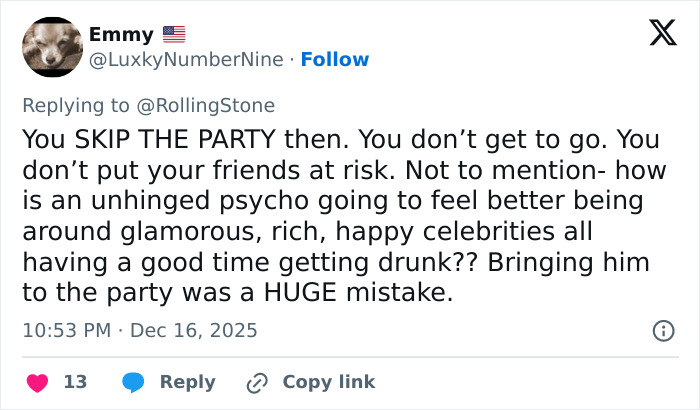
The couple wanted to keep an eye on their son as his behavior had become increasingly erratic
As the timeline of the tragedy became clearer, many started asking themselves why Nick was at the party in the first place.
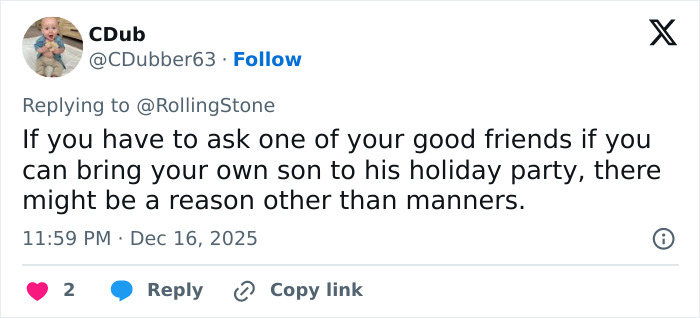
Several outlets, including Rolling Stone, People, TMZ, and the Daily Mail, all converge on the same point:
Rob Reiner and Michele Singer Reiner specifically asked if they could bring Nick with them to the party because they were concerned about his mental state.
Insiders said they wanted to “keep an eye on him.”
As the evening progressed, witnesses say tensions between Nick and his parents escalated.
As Bored Pandareported, Rob and Michele Reiner became involved in a “very loud argument” with their son during the party. New details confirm the confrontation centered on Nick’s refusal to return to rehab.
On Sunday afternoon, Rob and Michele Reiner were discovered fatally wounded inside their $13.5 million Brentwood mansion by their daughter, Romy Reiner, 28.
She immediately told investigators that her brother should be considered a suspect, describing him as “dangerous.”
Nick Reiner was arrested later that night at a Los Angeles subway station roughly 15 miles from his parents’ home. As Bored Panda reported Tuesday (December 16), he is set to be charged with homicide.
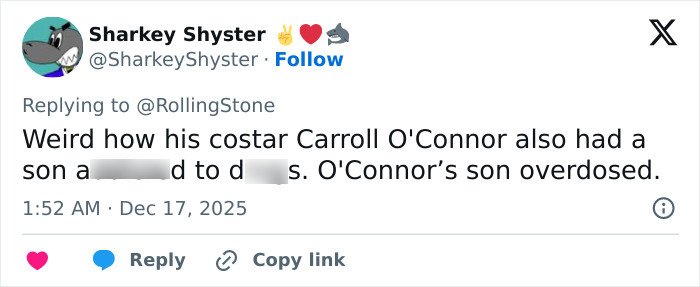
Sources told the Daily Mail that Nick had been living in his parents’ guesthouse for the past five years, where his behavior had grown increasingly volatile. One source described him as a “ticking time b*mb.”
“He would do m*th and not sleep for days, and then have outbursts, breaking things, punching walls,” the source said. “His dr*g use was getting worse and his parents wanted him out.”
Nick himself spoke publicly about his struggles in a 2016 interview with People Magazine, admitting he had entered rehab around age 15 and returned 17 more times over the next four years. He also described periods of homelessness across multiple states.
“I was homeless in Maine. I was homeless in New Jersey. I was homeless in Texas,” he said. “I spent nights on the street. I spent weeks on the street. It was not fun.”
Friends and family insiders say warning signs had been present for years
Celebrity yoga instructor Alanna Zabel, who worked with the Reiner family for nearly a decade, said Nick displayed severe emotional outbursts from a young age.
“Nicky would barge in like the world was on fire, screaming, into our yoga sessions,” she recalled. “It was disruptive. I have never seen a child like it.”
Zabel said she held private sessions with Nick for a year in an attempt to help him regulate his emotions and confirmed that the family sought professional help early on.
“The fact that they were seeing a family therapist shows how much they cared,” she said. “They were trying to figure it out.”
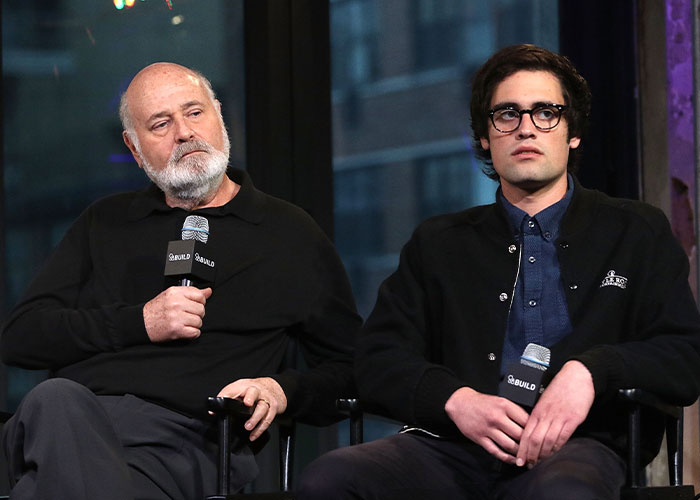
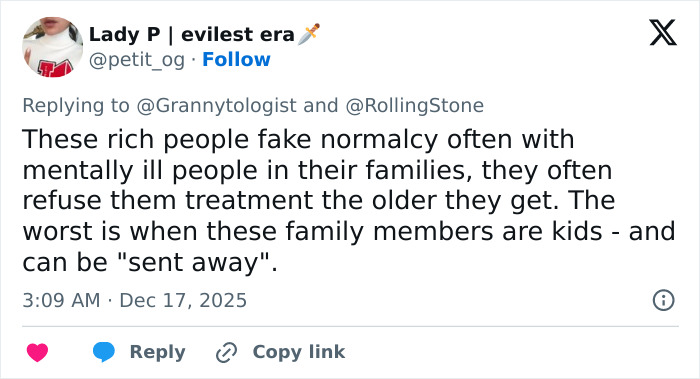
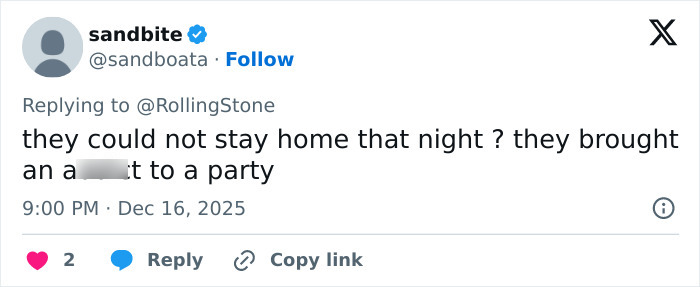
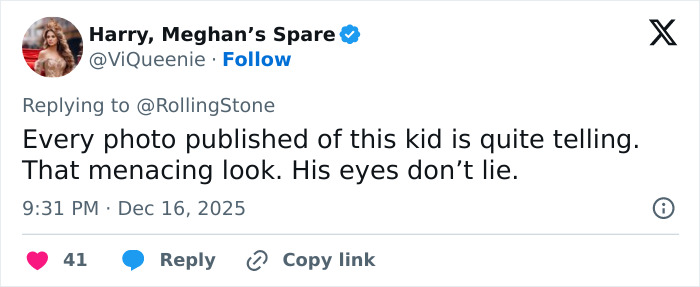
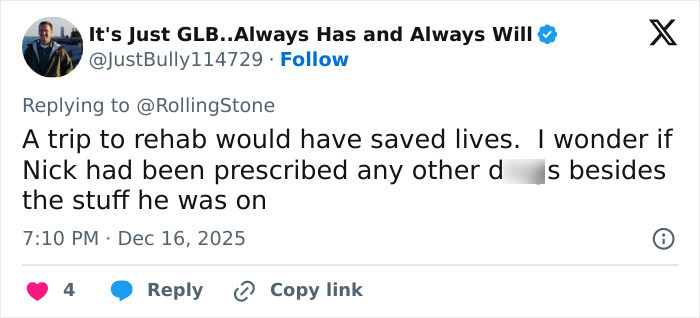
“The eyes don’t lie.” Netizens were put off by recent photos of Nick Reiner
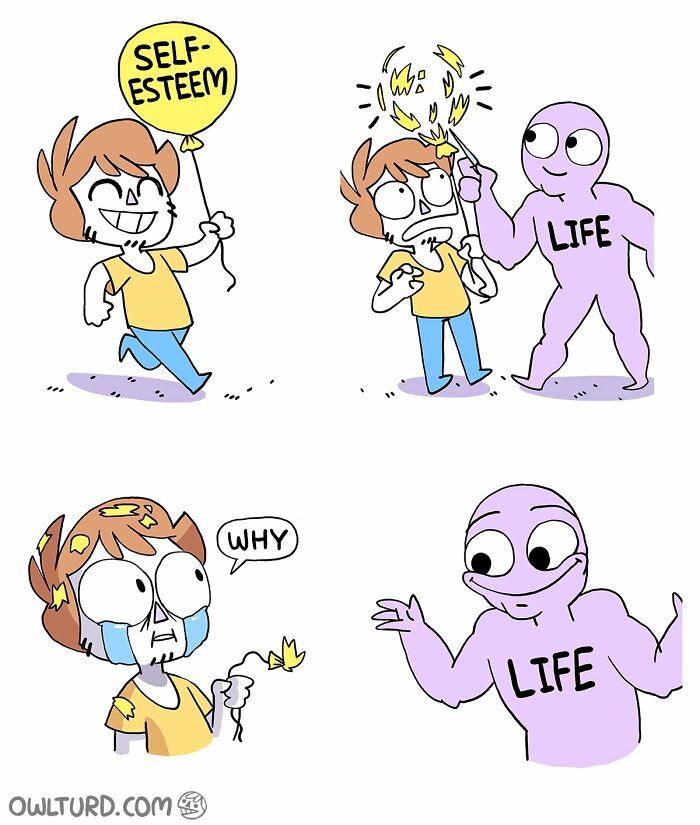
Beautiful minimalism. Relatable hopes, dreams, fears, and worries. And a unique way to visualize mental health. At the intersection of all these things are the wonderfully pure illustrations by Worry Lines. Through her simple but pleasing drawings, the artist also engages topics like self-care and relationships.
We’ve collected some of Worry Lines’ best drawings to bring a smile to your faces, dear Pandas, so scroll down and let us know which of the oddly comforting drawings you loved the most and why. Remember to upvote your fave illustrations (hint: they’re the ones that you relate to the most and make you feel like you’re wrapped up in a fluffy cloud of acceptance).
If you enjoyed the artist’s work, make sure to follow them on Instagram for her daily updates (and have a look through her store if you want to support her by getting your loved ones something cozy this holiday season).
“I often draw a little character that doesn’t have much of a neck. I like working with visual puns, idioms, and comic metaphors,” the artist talks about her work.
She jokes that her favorite emoji is the clown followed by the bottomless pit and reveals that she isn’t a trained artist. However, she has the discipline of a real professional because she shares a new drawing every single day on her Instagram. She uses the one-drawing-a-day rule to motivate herself and to invest in herself.
Since she started her art project, Worry Lines has not only started up a store for merch featuring her illustrations, she also launched a Patreon account where her fans can support her directly.
In an interview with Vogue Australia, Worry Lines opened up about her art and how she feels about the Covid-19 pandemic.
“This project started as an exercise in anti-perfectionism. I’ve always struggled with being a perfectionist, and I wanted to force myself to put something creative out into the world every day, no matter if it was ‘good’ or not,” she shared her philosophy. And I think the idea of creating something no matter its quality is great advice for a lot of us (I for one, can relate).
The artist told Vogue that she’s glad that there is a growing trend of people curating their social media feeds and improving their mental health by choosing silly, honest, and uplifting content instead of constant news about the coronavirus pandemic.
Meanwhile, Worry Lines is very happy with the community that she’s grown. She’s especially proud that her art helps comfort and encourage people. And she enjoys using her drawings to unite people who have anxieties about life. And that, at the end of the day, is the beauty of Worry Lines: her illustrations unite us in our imperfections instead of dividing us.
“The habits you created to survive will no longer serve you when it’s time to thrive.” ~Eboni Davis
I learned early how to measure the danger in a room. With a narcissistic mother, the air could shift in an instant—her tone slicing through me, reminding me that my feelings had no place.
With an alcoholic stepfather, the threat was louder, heavier, and more unpredictable. I still remember the slam of bottles on the counter, the crack of his voice turning to fists, the way I would hold my breath in the dark, hoping the storm would pass without landing on me.
In that house, love wasn’t safe. Love was survival. And survival meant disappearing—making myself small, silent, and invisible so I wouldn’t take up too much space in a world already drowning in chaos.
In a home like that, there was no space to simply be a child. My mother’s moods came first—her pain, her need for control. With her, I learned to hide the parts of myself that were “too much” because nothing I did was ever enough. With my stepfather, I learned to walk carefully, always scanning for danger, always bracing for the next eruption.
So I became the quiet one. The peacekeeper. The invisible daughter who tried to keep the house from falling apart, even when it already was. I carried a weight far too heavy for my small shoulders, believing it was my job to make things okay, even though deep down, I knew I couldn’t.
Those patterns didn’t stay in the walls of my childhood home; they followed me into adulthood. I carried silence like a second skin, disappearing in relationships whenever love began to feel unsafe. I learned to give until I was empty, to lose myself in caring for others, to believe that if I stayed quiet enough, small enough, I might finally be loved.
But love that required me to vanish was never love at all. It was survival all over again. I found myself repeating the same patterns, choosing partners who mirrored the chaos I had grown up with, shutting down whenever I felt too much. I confused pain for love, silence for safety, and in doing so, I abandoned myself again and again.
The cost was heavy: years of feeling invisible, unworthy, and unseen. Years of believing my voice didn’t matter, my needs were too much, and my story was something to hide.
For a long time, I believed this was just who I was—invisible, unworthy, built to carry pain. But there came a night when even survival felt too heavy. I was sitting in the cold, in a tent I was calling home, with nothing but silence pressing in around me. The air was damp, my body shivering beneath thin blankets, every sound outside reminding me how unsafe and alone I felt.
And for the first time, instead of disappearing into that silence, I whispered, “I can’t keep living like this.” The words were shaky, but they felt like a lifeline—the first honest thing I had said to myself in years.
It wasn’t a dramatic transformation. Nothing changed overnight. But something inside me cracked open, a small ember of truth I hadn’t let myself feel before: I deserved more than this. I was worthy of more than surviving.
That whisper became a seed. I started writing again, pouring the words I could never say onto paper. Slowly, those words became a lifeline—a way of reclaiming the voice I had silenced for so long. Every page reminded me that my story mattered, even if no one else had ever said it. And piece by piece, I began to believe it.
Survival patterns protect us, but they don’t have to define us. For years, disappearing kept me safe. Staying quiet shielded me from conflict I couldn’t control. But surviving isn’t the same as living, and the patterns that once protected me no longer have to shape who I am becoming.
Writing can be a way of reclaiming your voice. When I couldn’t speak, I wrote. Every sentence became proof that I existed, that my story was real, that I had something worth saying. Sometimes healing begins with a pen and a page—the simple act of letting your truth take shape outside of you.
It is not selfish to take up space. Growing up, I believed my needs were too much, my presence a burden. But the truth is that we all deserve to be seen, to be heard, to take up space in the world without apology.
We don’t have to heal alone. So much of my pain came from carrying everything in silence. Healing has taught me that there is strength in being witnessed, in letting others hold us when the weight is too much to carry by ourselves.
I still carry the echoes of that house—the silence, the chaos, the parts of me that once believed I wasn’t worthy of love. But today, I hold them differently. They no longer define me; they remind me of how far I’ve come.
I cannot change the family I was born into or the pain that shaped me. But I can choose how I grow from it. And that choice—to soften instead of harden, to speak instead of disappear, to heal instead of carry it all in silence—has changed everything.
I am still learning, still growing, still coming home to myself. But I no longer disappear. I know now that my story matters—and so does yours.
So I invite you to pause and ask yourself: Where have you mistaken survival for love? What parts of you have learned to stay silent, and what might happen if you gave them a voice?
Even the smallest whisper of truth can be the beginning of a new life. Your story matters too. May you find the courage to stop surviving and begin truly living.
May we all learn to take up space without apology, to speak our truths without fear, and to find safety not in silence, but in love.
Tracy Lynn is the founder of From Darkness We Grow, a healing space for those who carry emotional pain in silence. Through journals, courses, and her online community, The Healing Circle, she helps others reclaim their voice and remember their worth. Connect with Tracy at fromdarknesswegrow.com. You can also find support in The Healing Circle.
Britney Spears fans are once again expressing concern for the pop star after another instance of erratic behavior.
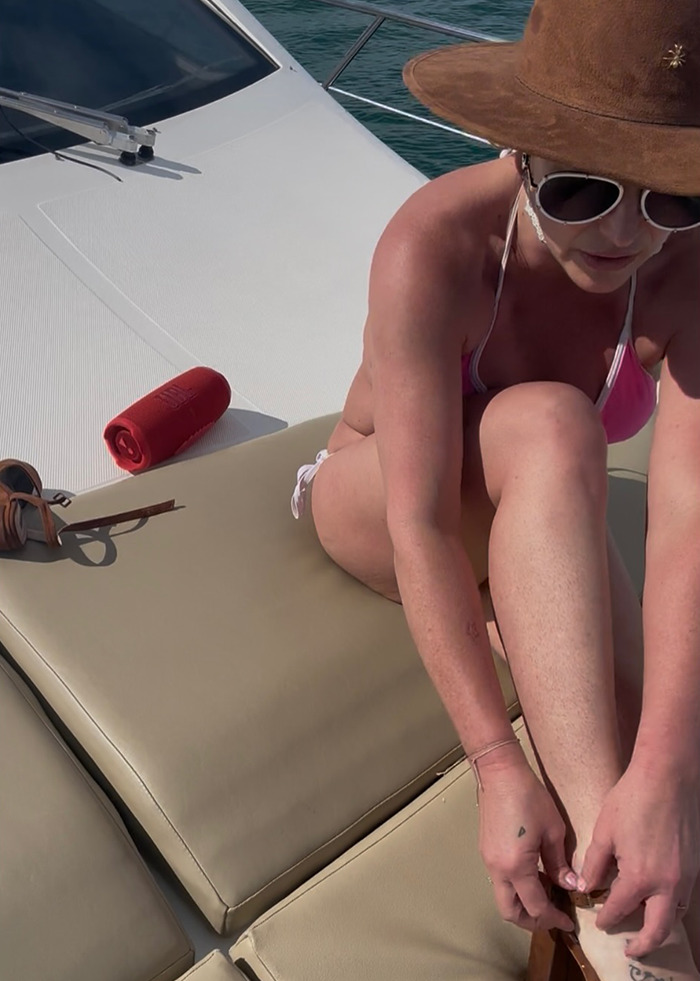
The 44-year-old posted a provocative video of herself aboard a yacht in Mexico. In the clip, she can be seen squeezing her breasts together and untying the back of her pink bikini top.
“Did a flip off the boat but I hurt myself,” Britney captioned the video.
Britney Spears posted a video in which she removed her bikini top aboard a yacht in Mexico
Her family is said to be extremely worried about her wellbeing and, despite their concerns, they’re reportedly unable to help.
“It’s really a nightmare knowing that things are happening that might put her in danger. There’s absolutely nothing we can do to help her,” a source told The Daily Mail.
The insider added that they don’t want to wait until something “terrible” happens that serves as a wake-up call for Britney.
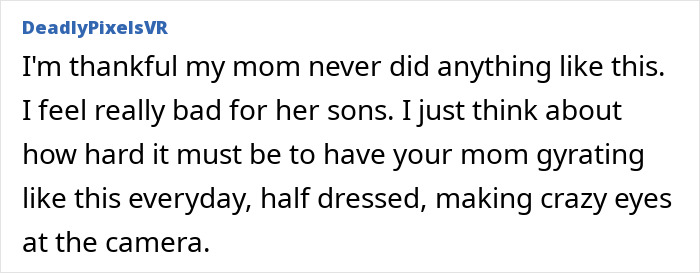
The clip follows the star’s other concerning videos, which show her dancing disheveled or appearing injured around her home
On October 5, she took to Instagram to share a video of herself dancing while covered in bruises after a home accident.
In the post, she stressed that she’s not interested in people’s “concern or pity” before telling her 42 million followers that she had fallen down the stairs.
”It was horrible … it snaps out now and then, not sure if it’s broken but for now it’s snapped in !!!” she wrote.
The Grammy winner has also posted videos of herself dancing with knives in her hands.
Fans have additionally expressed concern about the seemingly unhygienic state of her home, believing it could reflect her fragile mental health. For instance, viewers pointed to what appeared to be dog excrement on the floor behind her in a previous dancing video filmed at her California residence.
A source said the Toxic singer’s family is unable to help her or even “get access” to her
Those in the star’s social circle aren’t “doing anything to get her the help she needs; they are just letting her do her thing,” the insider told The Daily Mail, calling the current situation “a recipe for disaster.”
“Nobody wants to take any responsibility and those that want to help are unable to gain access to her. A very alarming situation to say the least.”
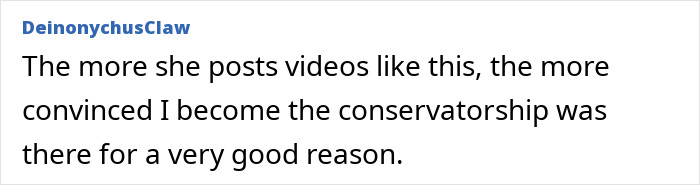
Worries about the Toxic singer’s mental health have grown ever since she was released from her strict conservatorship led by her father, Jamie Spears, which gave him complete control over her assets and nearly every aspect of her life for 13 years.
While under the conservatorship, she recorded four studio albums, served as a judge on The X Factor, and performed at a Las Vegas residency.
The conservatorship was terminated after Britney’s side of the story was finally heard in court in June 2021, when she expressed her desire to end the legal arrangement she described as “ab*sive” and “an oppressive and controlling tool.”
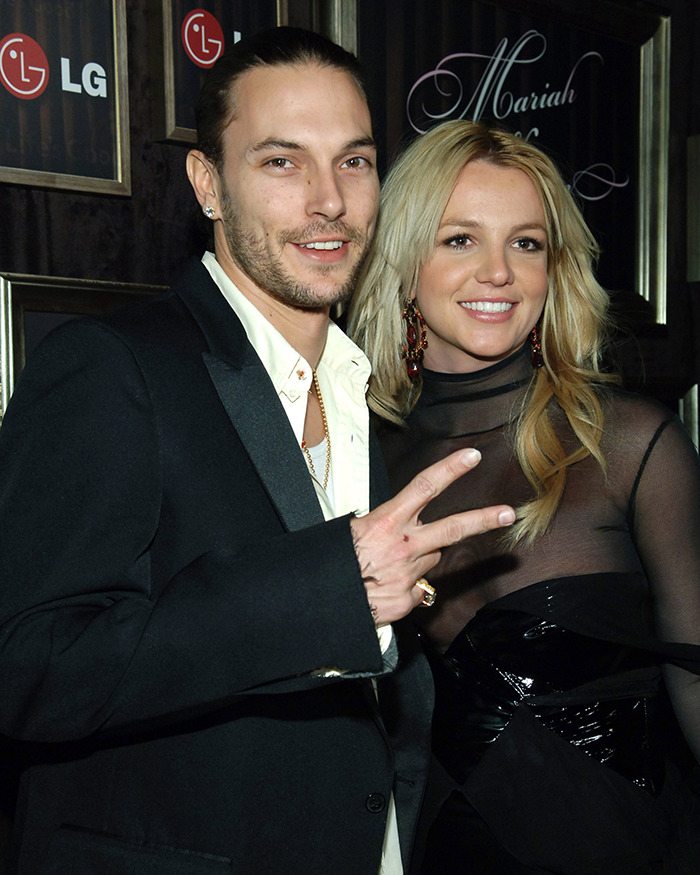
Britney’s ex-husband, Kevin Federline, recently alleged that she physically attacked their children
The Womanizer hitmaker testified that during the conservatorship, she was forced to have an IUD (intrauterine device) inserted to prevent her from having more children, and that she had six nurses at her home who stopped her from going anywhere for a month.
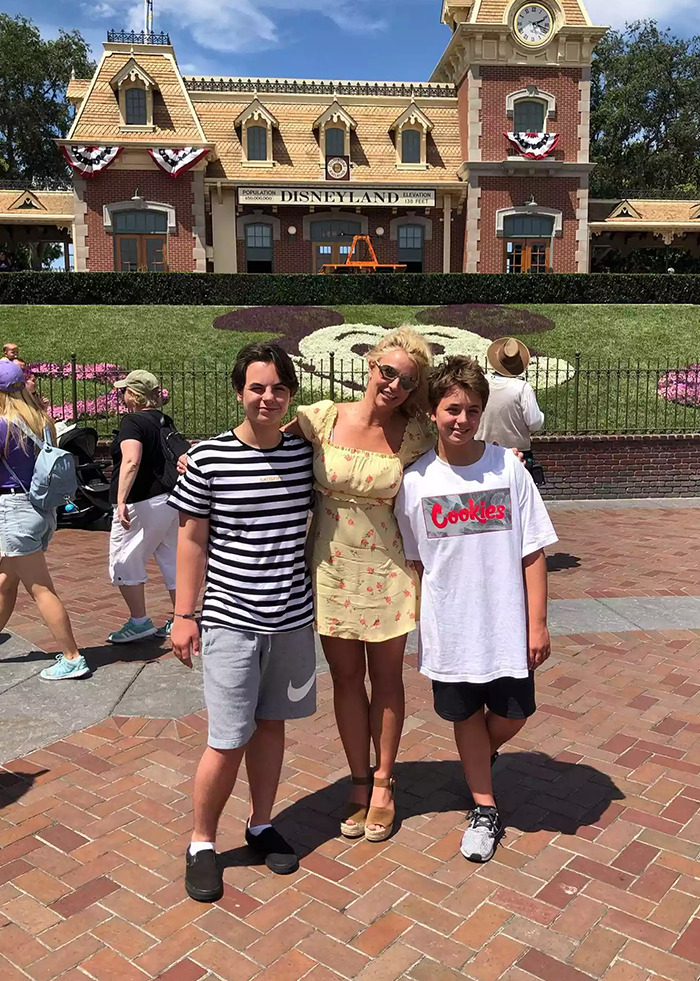
Kevin Federline, her former husband and the father of her two children, Sean and Jayden, held primary custody of the kids for 17 years while she was under the legal arrangement.
In October, a year after Britney made her final child support payment, Kevin released a memoir, You Thought You Knew, in which he claimed that he was “not involved” in the singer’s 13-year conservatorship.
He also accused her of taking illegal substances while breastfeeding their children and being aggressive toward them.
According to the book, when visiting Britney, the boys “would awaken sometimes at night to find her standing silently in the doorway, watching them sleep with a knife in her hand.”
Britney blasted the memoir, accusing her ex, whom she divorced in 2007, of “profiting off [her] pain” in a lengthy statement posted on X on October 16.
“If you really love someone then you don’t help them by humiliating them. What scared me was how serious and angry he got, people have no idea, it is way worse than anyone could imagine…” she wrote. “The boy hates me and it is deep anger to literally say the things he is saying.”
The Princess of Pop made it clear last year that she would “never” return to the music industry. Now, she said, she only writes songs “for fun” or for other artists.
She is, however, expected to be involved in her upcoming Universal Pictures biopic, based on her 2023 memoir The Woman In Me. The film is set to be directed by Wicked filmmaker Jon M. Chu.
Additionally, on Monday (December 8), the Mississippi-born star revealed that she’s interested in being a dance instructor for both children and adults.
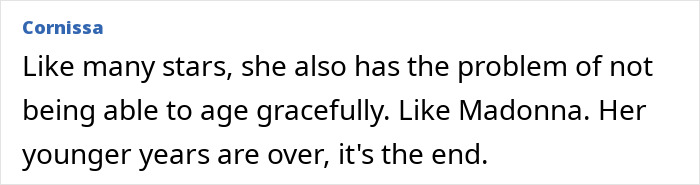
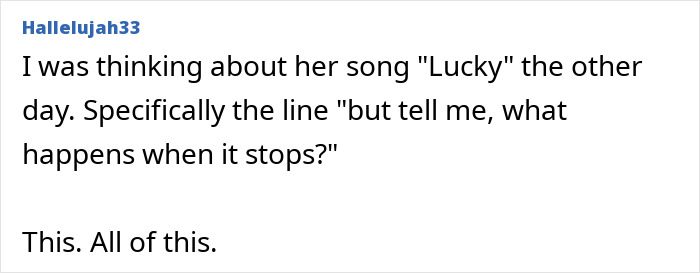
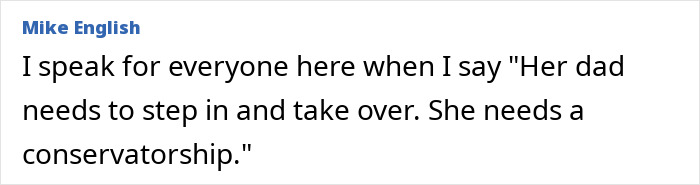
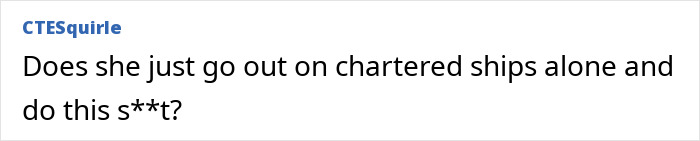
Netizens reacted to Britney’s most recent video and debated her reported mental health issues
“True self-love is not about becoming someone better; it’s about softening into the truth of who you already are.” ~Yung Pueblo
One morning, I sat at my kitchen table with my journal open, a cup of green tea steaming beside me, and a stack of self-help books spread out like an emergency toolkit.
The sunlight was spilling across the counter, but I didn’t notice. My eyes kept darting between the dog-eared pages of a book called Becoming Your Best Self and the neatly written to-do list in my journal.
Meditation.
Gratitude journaling.
Affirmations.
Ten thousand steps.
Hydration tracker.
“Inner child work” … still unchecked.
It was only 9:00 a.m., and I’d already meditated, journaled, listened to a personal development podcast, and planned my “healing workout” for later.
By all accounts, I was doing everything right. But instead of feeling inspired or light, I felt… tired. Bone-deep tired.
When Self-Improvement Becomes Self-Criticism
I didn’t realize it at the time, but I had turned personal growth into a job I could never leave.
Every podcast was a strategy meeting. Every book was an employee manual for a better me. Every quiet moment became a chance to find another flaw to address.
And if I missed something, a day without journaling, a skipped meditation, a workout cut short, I felt like I had failed. Not failed at the task itself but failed as a person. I told myself this was dedication. That it was healthy to be committed to becoming the best version of myself.
But underneath, there was a quieter truth I didn’t want to admit:
I wasn’t growing from a place of self-love. I was hustling for my own worth.
Somewhere along the way, “self-improvement” had stopped being about building a life I loved and had become about fixing a person I didn’t.
Self-Growth Burnout Is Real
We talk about burnout from work, parenting, and caregiving, but we don’t often talk about self-growth burnout. The kind that comes when you’ve been “working on yourself” for so long it becomes another obligation.
It’s subtle, but you can feel it.
It’s the heaviness you carry into your meditation practice, the quiet resentment when someone tells you about a “life-changing” book you have to read, the way even rest feels like you’re falling behind in your own healing.
The worst part? It’s wrapped in such positive language that it’s hard to admit you’re tired of it.
When you say you’re exhausted, people tell you to “take a self-care day,” which often just becomes another checkbox. When you say you’re feeling stuck, they hand you another podcast, another journal prompt, another morning routine to try.
It’s exhausting to realize that even your downtime is part of a performance review you’re constantly giving yourself.
The Moment I Stepped Off the Hamster Wheel
My turning point wasn’t dramatic. No breakdown, no grand epiphany. Just a Tuesday night in early spring.
I had planned to do my usual “nighttime routine” … ten minutes of breathwork, ten minutes of journaling, reading a chapter of a personal growth book before bed. But that night, I walked past my desk, grabbed a blanket, and went outside instead.
The air was cool, and the sky was streaked with soft pink and gold. I sat down on the porch steps and just… watched it change. No phone. No agenda. No trying to make the moment “productive” by mentally drafting a gratitude list.
For the first time in years, I let something be just what it was.
And in that stillness, I realized how much of my life I’d been missing in the chase to become “better.” I was so focused on the next version of me that I’d been neglecting the one living my actual life right now.
Why We Keep Fixing What Isn’t Broken
Looking back, I can see why I got stuck there.
We live in a culture that profits from our constant self-doubt. There’s always a “next step,” a new program, a thirty-day challenge promising to “transform” us.
And there’s nothing inherently wrong with learning, growing, or challenging ourselves. The problem comes when growth is rooted in the belief that who we are today is inadequate.
When every action is motivated by I’m not enough yet, we end up in an endless loop of striving without ever feeling at peace.
How I Started Shifting from Fixing to Living
It wasn’t an overnight change. I had to relearn how to interact with personal growth in a way that felt nourishing instead of punishing. Here’s what helped me:
1. I checked the weight of what I was doing.
I started asking myself: Does this feel like support, or does it feel like pressure? If it felt heavy, exhausting, or like another form of self-criticism, I paused or dropped it completely.
2. I let rest be part of the process.
Not “rest so I could be more productive later,” but real rest—reading a novel just because I liked it, taking a walk without tracking my steps, watching the clouds without trying to meditate.
3. I stopped chasing every “should.”
I let go of the belief that I had to try every method, read every book, or follow every guru to heal. I gave myself permission to choose what resonated and ignore the rest.
4. I practiced being okay with “good enough.”
Instead of asking, “How can I make this better?” I practiced noticing what was already working in my life, even if it wasn’t perfect.
What I Learned
Healing isn’t a ladder you climb to a perfect view.
It’s more like a rhythm—one that includes rest days, quiet seasons, and moments where nothing changes except your ability to notice you’re okay right now.
I learned that sometimes the most transformative thing you can do is stop. Stop chasing, stop fixing, stop critiquing every part of yourself like you’re a never-ending renovation project.
Because maybe the real work isn’t fixing yourself into a future you’ll finally love. Maybe the real work is learning to live fully in the self you already are.
Cristie Robbins is a published author, speaker, and certified mental wellness coach. Through The Wellness Blueprint, she helps women reduce stress and reclaim vitality with a root-cause approach. Her books, including Scars Like Constellations, explore resilience, healing, and personal growth, and can be found on Amazon at her Author Page. Connect at The Wellness Blueprint. You can find her on Facebook here and Instagram here.
“When it hurts to move on, just remember the pain you felt hanging on.” ~Unknown
There was a time when I thought my heart would never heal.
I’d been lied to, betrayed, and broken by a man I thought I loved. A man who turned out to be nothing more than a beautifully packaged nightmare.
If you’ve ever been hurt by a narcissist, you know that the pain cuts deeper than most people can imagine. You know the way it seeps into your bones, the way it makes you question your worth and replay every moment, wondering if you could have stopped it.
I’ll never forget that night in Paris when I learned what love is not.
The Champs-Élysées was alive with golden lights strung high in the air. Shoppers moved slowly, bags swinging in their hands, laughter spilling out of nearby cafés. The smell of roasted chestnuts drifted through the crisp night. And in the middle of that beauty, my world shattered with one heavy punch to the stomach I did not deserve.
It happened on the balcony of a famous Paris hotel. I had overheard a phone call. His voice casual, almost bored. “I’ll be home in a few days.”
Home.
To. His. Wife.
My blood ran cold.
The words clung to my skin like ice. Betrayal swelled in my chest, my breath sharp and ragged. I demanded answers. My voice cracked, trembling between anger and disbelief.
The first slap was so fast I barely registered it. Then another. Then the kick. A sharp, merciless blow to my stomach that folded me in two and dropped me to the floor.
My lungs emptied. I gasped, but no air came.
I needed to scream. I wanted to claw, to fight, to make him hurt. But some part of me knew that to stay alive, I had to stay still. My body shook in silence, hot tears sliding down my cheeks, my ears ringing as his voice faded into a blur of meaningless words.
The carpet felt rough beneath my palms as I steadied myself. My ribs ached with each shallow breath.
When his rage finally burned out, I slipped away and stepped onto the balcony. The night air stung my face. Through the blur of tears, I saw the Eiffel Tower shimmering in the distance, each light flashing like a cruel reminder of where I was—the city I had dreamed of visiting. In love.
I gripped the railing, fighting the urge to collapse again. I wanted to disappear. I wanted to wash every trace of his hands from my skin. I wanted to go home, crawl into my bed, and erase Paris from my memory.
It took months to unravel what had happened that night. Months to understand why I had let a narcissist treat me like that. I wasn’t naive. I wasn’t unloved. I came from a loving family. I cared for people.
So why did I believe I deserved this?
Somewhere deep inside, I had confused love with proving my worth. I believed that if I could just give enough, forgive enough, understand enough, I could earn love that stayed.
That belief had been quietly living in me for years—from the little girl who learned to keep the peace by being “good” to the woman who equated over-giving with strength. I didn’t think I deserved cruelty, but I didn’t yet believe I was worthy of love that came without pain.
Looking back, all the signs were there. Endless red flags I chose not to see. The charm that drew me in, the constant need for attention, the way he twisted the truth until I doubted my own sanity. The anger when I questioned him, followed by the empty promises meant to keep me hooked.
The bruises faded in weeks. But the ache inside stayed.
For a long time, I hated Paris. I had been there with the wrong person. I had imagined us wandering hand in hand along the Seine, kissing on Pont Alexandre III as the city lit up around us. I had pictured mornings in Montmartre with coffee and croissants, sunlight spilling through tiny café windows.
Instead, I got a nightmare.
Deep down, I always knew real love was effortless. Not that it didn’t require work, but that it didn’t demand your dignity and your soul.
After months of healing, I wrote down exactly what I wanted in a partner, and I refused to settle for less.
Then, when I least expected it, he showed up. One email led to another, and soon we were talking across time zones, our words building a bridge neither of us had seen coming.
He wanted to meet right away. I stalled. Part of me still needed the safety of distance.
When we finally met in New York City, the moment felt like something written long before we were born. I had landed early that morning, wandering the city in the winter chill. When I called from a payphone near Bryant Park to confirm, I turned, and there he was, smiling at me like I was the only person in the crowd.
In the past, I would have rushed in and molded myself to fit his rhythm. But this time, I moved slowly. I asked questions I used to avoid, and I said what I needed without apology.
My healing had raised my standards, not for others but for how I treated myself in love. I was no longer searching for someone to fill a void, and because of that I could actually see him—not through the lens of fantasy or idealization but through truth.
His steadiness and confidence didn’t scare me. They grounded me. He met me where I was. I could simply receive his presence without fear it would disappear. And that was brand new to me—being loved without having to abandon myself to keep it.
Years later, we’re still together. We’ve faced storms, held the line when things got hard, and fiercely protected the magic we built. And we visited Paris together. This time, it was the city I had always wanted—champagne kisses, walks by the river, and a skyline wrapped in light.
For the first time, there’s safety. There’s no fear in being honest, no punishment for being human. We listen, we repair, and we hold each other accountable without shame. When one of us feels hurt, we talk instead of withdrawing. When one of us makes a mistake, we forgive and learn instead of blaming.
Love doesn’t take from us. It expands us. It’s steady, mutual, and kind. I can ask for what I need without guilt. I can express my fears without shrinking. We celebrate each other’s successes and hold each other through failure.
For me, this love feels like finally being able to breathe, like exhaling after years of holding my breath, and knowing I can rest in someone else’s presence without losing myself.
If you’ve been hurt by a narcissist, I see you. I know the nights you lie awake replaying everything. I know how heavy your chest feels, how loud the silence is.
You may need to close the chapter that destroyed you, then open a new one and write the story you’ve been longing to live.
Forgive yourself. Forgive them. Not for their sake, but because you deserve the peace it will give you.
One day, you’ll wake up and realize the darkness is gone. The fear, the self-doubt, the endless ache are no longer yours to carry. And in that moment, you’ll know the truth: you will never again return to what broke you.
It took months for my nervous system to finally feel safe around men again. For a long time, my body reacted before my mind could catch up, flinching at raised voices, shrinking from affection, bracing for betrayal even when love was right in front of me.
This is how I slowly found my way out of the grip of narcissistic abuse:
Belief work.
I had to meet the invisible story I’d been carrying for years—that love had to be earned. Rewriting it didn’t happen overnight, but each small reminder felt like a crack in the opening around my heart. I began telling myself, again and again, I am deeply worthy of love. I am enough, exactly as I am. When my mind drifted back to old patterns, I didn’t fight it. I simply offered a new story, one where I was already enough and worthy of calm, steady love.
Listening to my body.
I began to notice how my chest tightened or my stomach knotted when something felt off. Instead of ignoring those signals, I treated them as truth. My body knew what my mind wanted to deny.
Somatic healing.
Breathwork, sound therapy, gentle movement, and trauma-informed bodywork helped me release stored fear and regulate my nervous system.
I remember one session lying on my mat, my breath shallow, my chest heavy. As the sound bowls vibrated through the room, a trembling began to move through me. First it was rage, then a deep grief for all the ways I had abandoned myself, and finally a relief, like my body was releasing what it had carried for years.
Something softened inside me. Something I couldn’t name. But what that moment taught me is that healing isn’t about forgetting. It’s about allowing what was once trapped to move through you, until it no longer owns you.
Boundaries.
I practiced saying no. At first, it felt unnatural, even selfish. But every no became a small act of reclaiming myself.
I started small. I stopped saying yes to coffee dates I didn’t have the energy for or to men who mistook my kindness for an open door. Then it extended into every corner of my life.
I stopped overworking to prove my worth, stopped letting colleagues pile their tasks onto mine just because I was capable. I stopped replying to work messages late at night, stopped entertaining conversations that left me feeling small, but most of all, I stopped ignoring the quiet voice inside that whispered when something didn’t feel right. Each no created a little more space for truth, for me.
Choosing safe people.
I surrounded myself with friends and mentors who treated me with kindness, who showed me what respect actually looks like. Their presence slowly re-taught my body that love doesn’t always come with pain.
Clarity in love.
I wrote down exactly what I wanted in a partner, not just the surface traits, but how I wanted to feel with them: safe, cherished, seen. That clarity was my compass.
When we began talking, I noticed I didn’t feel anxious waiting for his reply. I didn’t need to edit myself to earn his affection. There was no chaos, only ease. That peace told me I was finally aligned with what I had written. He embodied nearly every quality I had put on that list—emotional awareness, consistency, integrity, and most importantly, a tenderness that made my nervous system begin to trust again.
Healing from narcissistic abuse isn’t linear. It’s a thousand tiny steps back to yourself. Some days you’ll stumble. Some days you’ll doubt. But little by little, the pieces come back together, and you realize you were never broken.
When the right one arrives, you won’t question it. You won’t shrink yourself to fit. You won’t beg to be seen. You will simply know, in the steady, quiet place inside you that this is real, this is love.
Rejection was never your ending. It was the redirection toward the life you were always meant to live.
Tiki is a heart-centered energy guide who helps women release stored emotions and inherited patterns held in their bodies and nervous systems. Through somatic work, sound healing, and intuitive energy practices, she supports women in dissolving old stories and reclaiming their authentic voice. If you’ve experienced heartbreak, betrayal, or a relationship that left you doubting your worth, download Reclaiming Your Heart After a Painful Relationship, a calming guide to help you nurture your heart back to safety and deep peace.
“When it hurts to move on, just remember the pain you felt hanging on.” ~Unknown
There was a time when I thought my heart would never heal.
I’d been lied to, betrayed, and broken by a man I thought I loved. A man who turned out to be nothing more than a beautifully packaged nightmare.
If you’ve ever been hurt by a narcissist, you know that the pain cuts deeper than most people can imagine. You know the way it seeps into your bones, the way it makes you question your worth and replay every moment, wondering if you could have stopped it.
I’ll never forget that night in Paris when I learned what love is not.
The Champs-Élysées was alive with golden lights strung high in the air. Shoppers moved slowly, bags swinging in their hands, laughter spilling out of nearby cafés. The smell of roasted chestnuts drifted through the crisp night. And in the middle of that beauty, my world shattered with one heavy punch to the stomach I did not deserve.
It happened on the balcony of a famous Paris hotel. I had overheard a phone call. His voice casual, almost bored. “I’ll be home in a few days.”
Home.
To. His. Wife.
My blood ran cold.
The words clung to my skin like ice. Betrayal swelled in my chest, my breath sharp and ragged. I demanded answers. My voice cracked, trembling between anger and disbelief.
The first slap was so fast I barely registered it. Then another. Then the kick. A sharp, merciless blow to my stomach that folded me in two and dropped me to the floor.
My lungs emptied. I gasped, but no air came.
I needed to scream. I wanted to claw, to fight, to make him hurt. But some part of me knew that to stay alive, I had to stay still. My body shook in silence, hot tears sliding down my cheeks, my ears ringing as his voice faded into a blur of meaningless words.
The carpet felt rough beneath my palms as I steadied myself. My ribs ached with each shallow breath.
When his rage finally burned out, I slipped away and stepped onto the balcony. The night air stung my face. Through the blur of tears, I saw the Eiffel Tower shimmering in the distance, each light flashing like a cruel reminder of where I was—the city I had dreamed of visiting. In love.
I gripped the railing, fighting the urge to collapse again. I wanted to disappear. I wanted to wash every trace of his hands from my skin. I wanted to go home, crawl into my bed, and erase Paris from my memory.
It took months to unravel what had happened that night. Months to understand why I had let a narcissist treat me like that. I wasn’t naive. I wasn’t unloved. I came from a loving family. I cared for people.
So why did I believe I deserved this?
Somewhere deep inside, I had confused love with proving my worth. I believed that if I could just give enough, forgive enough, understand enough, I could earn love that stayed.
That belief had been quietly living in me for years—from the little girl who learned to keep the peace by being “good” to the woman who equated over-giving with strength. I didn’t think I deserved cruelty, but I didn’t yet believe I was worthy of love that came without pain.
Looking back, all the signs were there. Endless red flags I chose not to see. The charm that drew me in, the constant need for attention, the way he twisted the truth until I doubted my own sanity. The anger when I questioned him, followed by the empty promises meant to keep me hooked.
The bruises faded in weeks. But the ache inside stayed.
For a long time, I hated Paris. I had been there with the wrong person. I had imagined us wandering hand in hand along the Seine, kissing on Pont Alexandre III as the city lit up around us. I had pictured mornings in Montmartre with coffee and croissants, sunlight spilling through tiny café windows.
Instead, I got a nightmare.
Deep down, I always knew real love was effortless. Not that it didn’t require work, but that it didn’t demand your dignity and your soul.
After months of healing, I wrote down exactly what I wanted in a partner, and I refused to settle for less.
Then, when I least expected it, he showed up. One email led to another, and soon we were talking across time zones, our words building a bridge neither of us had seen coming.
He wanted to meet right away. I stalled. Part of me still needed the safety of distance.
When we finally met in New York City, the moment felt like something written long before we were born. I had landed early that morning, wandering the city in the winter chill. When I called from a payphone near Bryant Park to confirm, I turned, and there he was, smiling at me like I was the only person in the crowd.
In the past, I would have rushed in and molded myself to fit his rhythm. But this time, I moved slowly. I asked questions I used to avoid, and I said what I needed without apology.
My healing had raised my standards, not for others but for how I treated myself in love. I was no longer searching for someone to fill a void, and because of that I could actually see him—not through the lens of fantasy or idealization but through truth.
His steadiness and confidence didn’t scare me. They grounded me. He met me where I was. I could simply receive his presence without fear it would disappear. And that was brand new to me—being loved without having to abandon myself to keep it.
Years later, we’re still together. We’ve faced storms, held the line when things got hard, and fiercely protected the magic we built. And we visited Paris together. This time, it was the city I had always wanted—champagne kisses, walks by the river, and a skyline wrapped in light.
For the first time, there’s safety. There’s no fear in being honest, no punishment for being human. We listen, we repair, and we hold each other accountable without shame. When one of us feels hurt, we talk instead of withdrawing. When one of us makes a mistake, we forgive and learn instead of blaming.
Love doesn’t take from us. It expands us. It’s steady, mutual, and kind. I can ask for what I need without guilt. I can express my fears without shrinking. We celebrate each other’s successes and hold each other through failure.
For me, this love feels like finally being able to breathe, like exhaling after years of holding my breath, and knowing I can rest in someone else’s presence without losing myself.
If you’ve been hurt by a narcissist, I see you. I know the nights you lie awake replaying everything. I know how heavy your chest feels, how loud the silence is.
You may need to close the chapter that destroyed you, then open a new one and write the story you’ve been longing to live.
Forgive yourself. Forgive them. Not for their sake, but because you deserve the peace it will give you.
One day, you’ll wake up and realize the darkness is gone. The fear, the self-doubt, the endless ache are no longer yours to carry. And in that moment, you’ll know the truth: you will never again return to what broke you.
It took months for my nervous system to finally feel safe around men again. For a long time, my body reacted before my mind could catch up, flinching at raised voices, shrinking from affection, bracing for betrayal even when love was right in front of me.
This is how I slowly found my way out of the grip of narcissistic abuse:
Belief work.
I had to meet the invisible story I’d been carrying for years—that love had to be earned. Rewriting it didn’t happen overnight, but each small reminder felt like a crack in the opening around my heart. I began telling myself, again and again, I am deeply worthy of love. I am enough, exactly as I am. When my mind drifted back to old patterns, I didn’t fight it. I simply offered a new story, one where I was already enough and worthy of calm, steady love.
Listening to my body.
I began to notice how my chest tightened or my stomach knotted when something felt off. Instead of ignoring those signals, I treated them as truth. My body knew what my mind wanted to deny.
Somatic healing.
Breathwork, sound therapy, gentle movement, and trauma-informed bodywork helped me release stored fear and regulate my nervous system.
I remember one session lying on my mat, my breath shallow, my chest heavy. As the sound bowls vibrated through the room, a trembling began to move through me. First it was rage, then a deep grief for all the ways I had abandoned myself, and finally a relief, like my body was releasing what it had carried for years.
Something softened inside me. Something I couldn’t name. But what that moment taught me is that healing isn’t about forgetting. It’s about allowing what was once trapped to move through you, until it no longer owns you.
Boundaries.
I practiced saying no. At first, it felt unnatural, even selfish. But every no became a small act of reclaiming myself.
I started small. I stopped saying yes to coffee dates I didn’t have the energy for or to men who mistook my kindness for an open door. Then it extended into every corner of my life.
I stopped overworking to prove my worth, stopped letting colleagues pile their tasks onto mine just because I was capable. I stopped replying to work messages late at night, stopped entertaining conversations that left me feeling small, but most of all, I stopped ignoring the quiet voice inside that whispered when something didn’t feel right. Each no created a little more space for truth, for me.
Choosing safe people.
I surrounded myself with friends and mentors who treated me with kindness, who showed me what respect actually looks like. Their presence slowly re-taught my body that love doesn’t always come with pain.
Clarity in love.
I wrote down exactly what I wanted in a partner, not just the surface traits, but how I wanted to feel with them: safe, cherished, seen. That clarity was my compass.
When we began talking, I noticed I didn’t feel anxious waiting for his reply. I didn’t need to edit myself to earn his affection. There was no chaos, only ease. That peace told me I was finally aligned with what I had written. He embodied nearly every quality I had put on that list—emotional awareness, consistency, integrity, and most importantly, a tenderness that made my nervous system begin to trust again.
Healing from narcissistic abuse isn’t linear. It’s a thousand tiny steps back to yourself. Some days you’ll stumble. Some days you’ll doubt. But little by little, the pieces come back together, and you realize you were never broken.
When the right one arrives, you won’t question it. You won’t shrink yourself to fit. You won’t beg to be seen. You will simply know, in the steady, quiet place inside you that this is real, this is love.
Rejection was never your ending. It was the redirection toward the life you were always meant to live.
Tiki is a heart-centered energy guide who helps women release stored emotions and inherited patterns held in their bodies and nervous systems. Through somatic work, sound healing, and intuitive energy practices, she supports women in dissolving old stories and reclaiming their authentic voice. If you’ve experienced heartbreak, betrayal, or a relationship that left you doubting your worth, download Reclaiming Your Heart After a Painful Relationship, a calming guide to help you nurture your heart back to safety and deep peace.