If you want to change your life—like really, seriously, no bullshit, actually change your life—do this:
Step 1: Write down everything you care about.
Step 2: Arrange the list from most important to least important.
Step 3: Cross out everything but the top 3 things.
Step 4: Re-organize everything you do around those three things.
People make this mistake of setting new goals every January 1st, but forget that goals are the path, not the destination.
Your real destination is your purpose.
Your goals just inform that purpose.
“Cool, Mark. Now WTF does that actually mean?”
For example: My goals change every year. But my purpose hasn’t budged over the last decade.
I want to improve the quality and resources for personal growth and development to help move humanity forward.
So every year, I set new goals to further that purpose.
Some years, it was writing books. Other years, it was creating communities. In 2025, it was building the Purpose App, and in 2026, it will be getting Purpose into the hands of anyone who wants to improve their lives.
The methods evolve.
The mission doesn’t.
Define your values, clarify what matters, and remove every single fucking obstacle that saps your energy, robs your time, or muddies your purpose.
The pretty truth is that you have a purpose on this planet.
The gorgeous truth is that you get to define that purpose.
And the most beautiful, 10/10, neck-breaking truth of all is that no one gets to stop you from fulfilling that purpose.
In 2023, my publisher offered me $5 million to write my next book.
I said no.
From 2016 to 2022, I was in full-blown author mode. Writing, touring, promoting. It felt like one never-ending deadline—and by the end of it, I was completely burnt out.
By 2022, I felt drawn back to entrepreneurship. The creator space had changed dramatically. AI was emerging. Everything was moving fast—and writing a book all of a sudden felt like the slowest, least relevant thing I could do.
The problem was, I was still on the hook for another book. A big one. With a massive payday.
I had an impossible decision to make: Turn down the money and work on what I want? Or take the money and spend the next year or two cashing the checks?
My agent warned me:
“If you don’t write this book, there’s a very good chance they’ll cancel the contract. You’ll lose the $5 million. And you’ll have to return the $1.25 million they already paid you.”
Let me tell you: It does not feel good to give $1.25 million back to somebody after they’ve given it to you.
But I knew the book wasn’t the move. By this point, I had learned the hard way: when you take money over meaning, you just burn yourself out and end up producing a worse result.
So this time, I listened to my gut.
I turned down the money.
I gave back the advance.
And eventually I started building what would become my new business: Purpose.
When you’re clear on what matters to you, decisions have a way of making themselves. And this was no different.
For me, that meant solving the problem I’d been obsessed with for years:
How do you make deep, personalized growth accessible to everyone—regardless of time, income, or access?
With Purpose, that’s what we built.
I’m sure I’ll write another book at some point. When it’s the right time. For the right reason. Hell—when I feel the purpose behind it.
But right now, building Purpose is what I actually give a sh*t about.
And I can’t ignore that.
You can try Purpose for free to see if you like what I gave up $5 million and 52 weekends to work on.
But I’ll also leave you with this question: What’s one opportunity you already know you need to walk away from, even if it costs you?
On a random night last January, I sat down next to a guy at a poker table. A month later, we decided to start a company together. Little did I know, it would completely change my life.
The guy’s name was Raj. We started talking between hands, and Raj asked what I was working on.
“I’ve been trying to solve this scaling problem in personal growth,” I told him. “I was about to buy an AI company to do it, but the deal just fell through.”
“That’s funny,” Raj said. “I’ve been building AI companies for ten years. Just exited my last one. I’ve spent a year on sabbatical figuring out what’s next.”
I asked him what he landed on.
“Whatever I build next has to be in AI and mental health. Or AI and personal growth. I want to work on something that actually helps people at scale.”
I don’t believe in all that “the universe has a plan for you” crap, but this was like… whoa.
Raj and I kept talking. Over the next few weeks, we’d meet for what we thought would be one-hour lunches. Every time, we’d look up and it would be 4:30 in the afternoon.
We talked about the limitations of the mental health system, about the screwed up self-help market, about what AI could actually do—not replace human connection, but make real, personalized guidance available to people who need it.
After a month, we looked at each other and said:
“This needs to exist. Let’s build it.”
Twelve months later, we’re launching Purpose.
Purpose is an AI coach powered by behavioral science that learns your patterns, helps you reflect, and gives you direction—on demand.
Whether you want to advance your career, improve your relationships, or unpack why you keep losing all your damn money at the poker table, Purpose learns about you, and gives you tiny actions to build momentum across your entire life.
So, yeah. The next phase of my career started with a meet cute with a guy at a poker table.
And I’m hoping it ends by helping millions of people find out who they actually are. Starting with you. Right now. For free.
Limited-Time Offer
Expires December 18th, 2025
You can try Purpose for free. And if you love it, like I think you will, all you have to do is sign up annually before December 18th to get my Purpose, Solved Course and an end-of-year webinar with yours truly to set you up for a purposeful 2026—at no extra cost.
“To be yourself in a world that is constantly trying to make you something else is the greatest accomplishment.” ~Ralph Waldo Emerson
Ever since I was about four years old, I knew I was different from the other kids. I was always on the outside looking in. As I approach middle age, I’ve never shaken that feeling—the knowing—of being different.
We live in a noisy world where we find whatever we seek. If we’re looking for validation that we don’t belong, that’s exactly what we’ll find.
While flawed, the standard ‘life blueprint’ hasn’t quite sailed off into the sunset. The path to happiness, according to societal norms and expectations, goes something like:
Getting the degree
Climbing the corporate ladder
Finding ‘the one’
Having children and the ‘dream’ family
Buying the fancy house, the car or whatever else we desire
Buckling up for retirement and living ‘happily ever after’
Let’s Stop Selling People the Fairytale
For many, life’s expectations sink so deeply into their bones that they hardly pause to ask: Do I actually want this life? Am I simply following the path I was told to walk?
The reality is that, as someone living through the experience, choosing a life that doesn’t look like everyone else’s can be confronting. I’m single at thirty-eight and have no kids and live alone.
I always say everything has its pros and cons, but when I am alone with no outside noise to sway me, I am genuinely content. I feel this at my core. I’m home.
The Heavy Weight of the Word ‘Should’
I despise the word “should.” It’s a heavy word because it comes wrapped in fear. More pointedly, fear of letting people down, of being rejected, of daring to dream of something that isn’t on the tried and tested path, and ultimately, the fear of getting lost in uncertainty.
I was never a fan of ticking boxes. Even more so when I learned through experience that every box left me feeling emptier.
Recently, I’ve become increasingly interested in the origins of societal ideas. We are the only people walking in our shoes and experiencing this world as we do. Checklists may seem comforting thanks to their supposed certainty, but I speak from experience when I say they are suffocating when they fail to align with who we truly are.
What would happen if you engaged in a self-audit on the “shoulds” in your life? You’d be surprised at how often the word pops up. I know I was.
Being Open to Curiosity
Curiosity is a superpower. If people asked questions more than they assumed, the world would be a softer place.
When I was younger, I remember a family member saying something along the lines of, “Everyone wants to find their person, settle down, and have kids.”
Even as a teenager, I knew that assertion didn’t sit right with me. How can everyone on this planet have the same life path and desires?
Permitting ourselves to ask the uncomfortable questions is a gift in the long term because it helps to prevent us from creating a life where we are playing a character rather than truly living.
What if I don’t want children?
What if owning a home isn’t important to me?
What if [enter whatever your greatest desire is] doesn’t make me feel how I think it will?
Listening to the Wisdom of Our Body
It’s odd to me how we compartmentalize mental, physical, and emotional health and well-being. There’s no mental health without physical health and vice versa. The body knows before the mind latches on.
That sinking heaviness in your chest when you picture a future you don’t truly want. The flutter of lightness when you imagine an alternative that feels more aligned, even if it scares you. This is not your imagination.
Our bodies are constantly speaking to us on a 24/7 basis, willing us to listen. Learning to listen to our body’s signals can be a compass.
If a decision leaves you feeling constricted, drained, or resentful, it may not be congruent with your values. If it leaves you feeling expansive, calm, or quietly excited, it may be pointing you toward your version of freedom.
Of course, this doesn’t mean the path will always be easy (it won’t), but it will be yours. And there is peace in that.
Facing the Fear of Judgment
Let’s be honest: choosing a life that is counterculture often means facing judgement. Lots of people think all kinds of things about me. I let them because correcting them isn’t important to me.
Here’s the truth: People are often most unsettled not by our choices, but by the mirror our choices reflect back to them.
When you step outside the script, you remind others that they, too, have the option to choose differently. For some, that’s inspiring. For others, it’s threatening.
Creating Your Own Life, Not Someone Else’s
The beauty of life lies in diversity. Your version of a meaningful life may shift and evolve as you do, and that’s okay. What matters most is you choose it consciously rather than by default.
Choosing a life that doesn’t look like everyone else’s isn’t about rebellion for the sake of it. It’s about alignment.
It’s about living in a way that honors your values, nourishes your well-being, and allows you to show up authentically.
I’m not here to offer fun tips and tricks. I assure you that if you feel you are destined for something greater or more, you’re not alone.
So what will you choose?
If you feel your life doesn’t fit into a standard mold, you aren’t broken. You are simply hearing the call to create something authentic for yourself.
It takes courage to step off the well-worn path. And every time you choose your own version of enough—your own rhythms, joys, and definitions of success—you make space for others to do the same.
The world doesn’t need more cookie-cutter lives; it needs people who are brave enough to live in alignment with their hearts.
Sarah Cannata is the creator of Storytelling for the Soul. She uses journaling and body-based practices to help women in midlife and beyond reconnect with themselves and gently shift how they live and feel. Get your free Gentle Journaling Jumpstart printable. Sarah’s work is grounded in lived experience, in-depth exploration, and a commitment to providing safe, trauma-informed support. She creates a nurturing space where people feel seen, heard, and held.
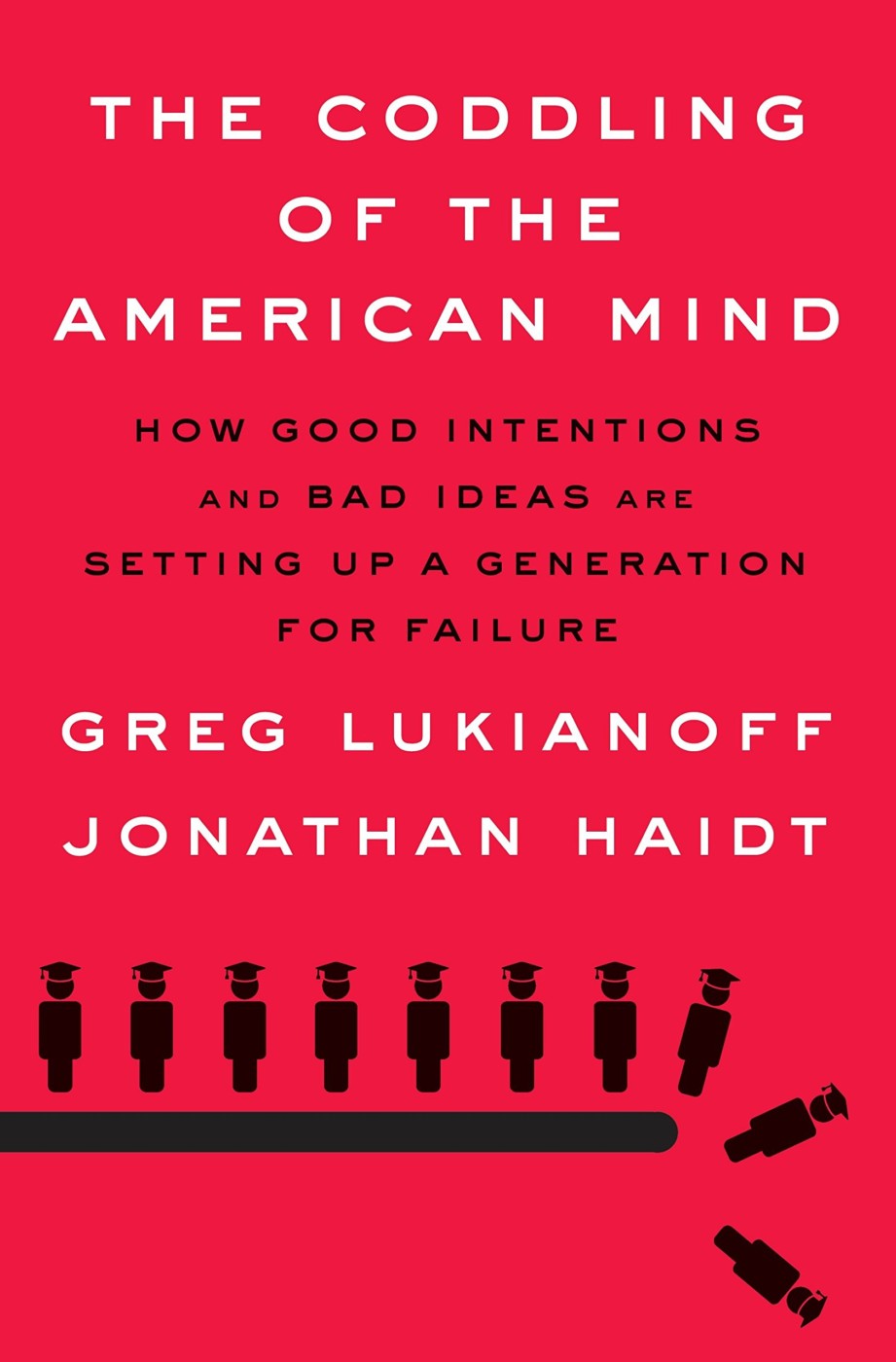
10. The Coddling of the American Mind by Greg Lukianoff and Jonathan Haidt
Jonathan Haidt and Greg Lukianoff’s The Coddling of the American Mind takes a hard look at how changes in education, parenting styles, and technology have led to a more emotionally fragile population. They argue that it’s not the kids’ fault, but rather the responsibility of parents and teachers.
This book offers some important points about culture in recent generations.
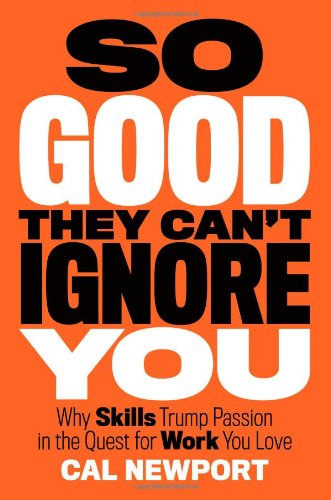
11. So Good They Can’t Ignore You by Cal Newport
Cal Newport’s So Good They Can’t Ignore You challenges the idea that purpose is something you just find. Instead, Newport contends that passion comes from first becoming great at something.
This book offers a fresh perspective on how to find purpose and passion in life.
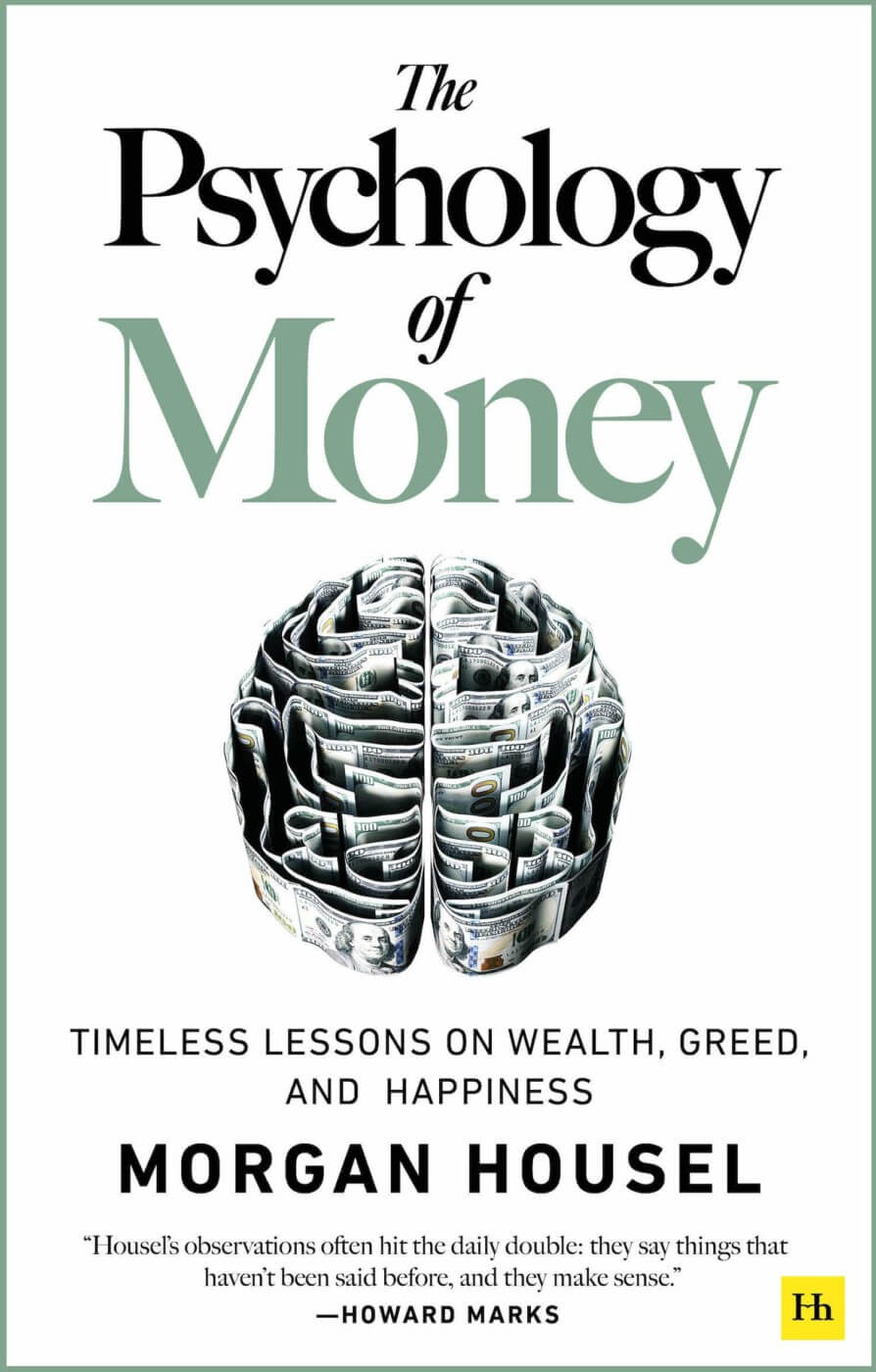
12. The Psychology of Money by Morgan Housel
Morgan Housel’s The Psychology of Money delves into popular assumptions about money and wealth. Housel, coming from the finance world, reveals that much of finance is more art than science.
This book shows that people’s understanding of money is often flawed and that those who want to be wealthy often just want to spend money—ironically, the very thing that prevents them from becoming wealthy.
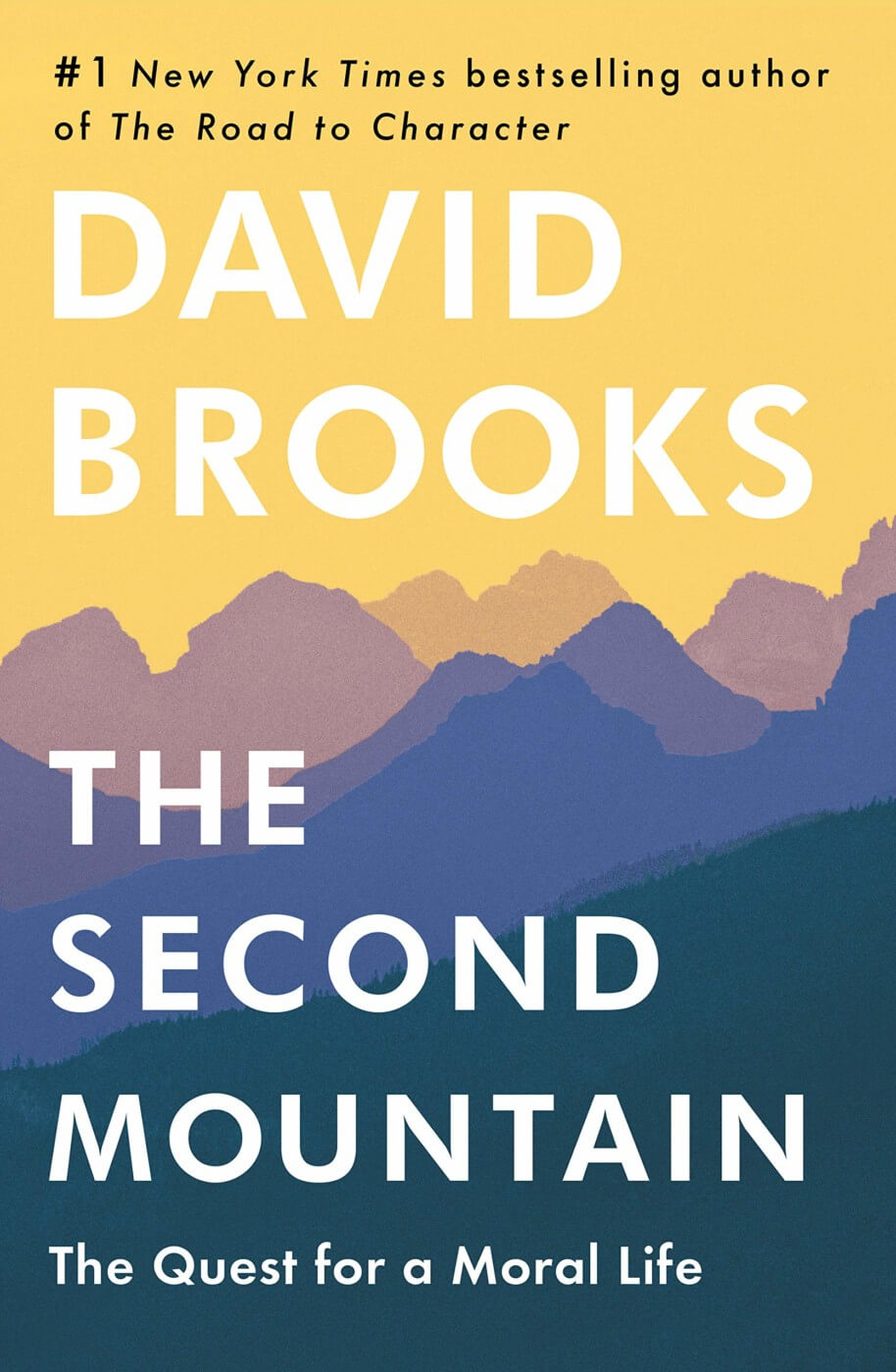
13. The Second Mountain by David Brooks
David Brooks’ The Second Mountain is a beautifully written book that charts a life course through two mountains—one of worldly success and the other of purpose.
This book is particularly profound for people in their 30s and 40s who are experiencing success for the first time and grappling with the question, “What’s the point?”
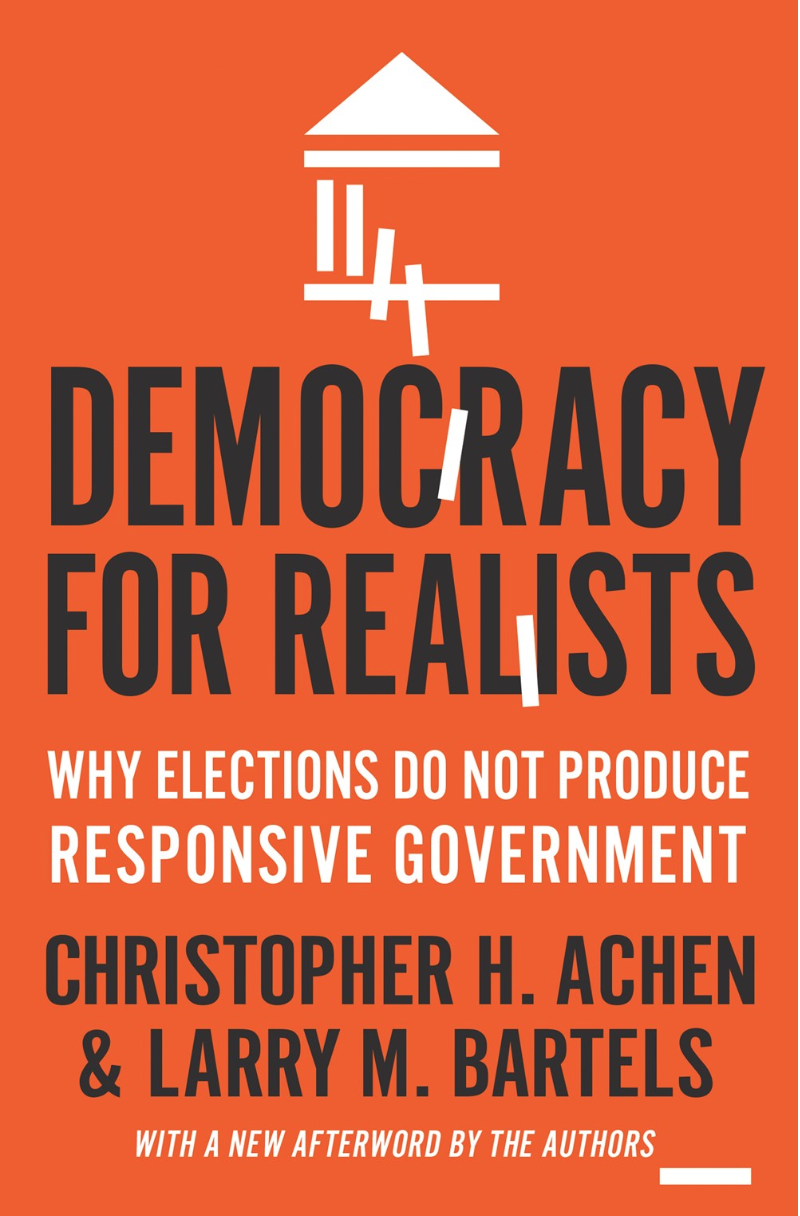
14. Democracy for Realists by Christopher H. Achen and Larry M. Bartels
Lastly, Democracy for Realists is a dense, academic read that delves into the paradox of democracy—the more democratic a society, the worse choices they often make.
This book is sobering and eye-opening, providing examples of why people with expertise and experience should be the ones making important decisions.
The internet is inundated with countless videos and advice columns promising to teach you how to become more successful than 99% of the world’s population.
But let’s face it: if you take a close look at the habits of highly successful people, you’ll quickly realize that they don’t strictly adhere to a regimented lifestyle or adopt monk-like behavior.
So, what is it that truly sets the wildly successful apart from the rest?
The Real Pillars of Extreme Success
To genuinely rise above 99% of the population, you must:
Develop a contrarian idea
Be correct about that idea
Execute on it on a massive scale
The most significant challenge lies in disagreeing with the majority, being right in your contrarian stance, and having the courage to put everything on the line for your beliefs.
People often fixate on the execution aspect because it’s the most visible and easiest to emulate.
However, execution alone does not determine the extent of a person’s success.
Correct Contrarianism: The Key Ingredient to Groundbreaking Achievements
Some of history’s most significant breakthroughs, such as the theory of relativity by Albert Einstein or the Wright brothers’ invention of the airplane, were once correct contrarian ideas that were initially deemed ridiculous and dismissed by many.
The willingness to challenge widely-held assumptions, adopt unpopular beliefs, and remain steadfast despite the ridicule and criticism that may come your way is what paves the way for groundbreaking success.
The Overlooked Downside of Extreme Success
But before setting your sights on becoming more successful than 99% of people, take a moment to consider the following potential drawbacks:
You will be unpopular – Achieving extreme success can often alienate you from friends and family who may not understand or support your unconventional path.
You will fail—a lot – To become a correct contrarian, you must first accept the fact that you’ll be an incorrect contrarian many times, which can lead to numerous setbacks and failures along the way.
The happiness myth – Success doesn’t automatically equate to happiness. In reality, success often amplifies who you already are and how you feel, so it’s not a cure-all for life’s problems.
Redefining Success: Identifying Your True Motivations
Rather than obsessing over the notion of outperforming 99% of people, take some time to reflect on your underlying motivations for seeking such a high level of success.
This year has been one of the most important, yet challenging years of my life. And as we’ll see, that might not be a coincidence.
As you probably know, I’ve been calling out some of the shady dealings and worst practices of the self-help industry for my entire career. Whether it’s slimy sales tactics, unrealistic and unscientific advice, or promising results that simply aren’t possible, I’ve dedicated much of my adult life to “cleaning up” this space as much as possible.
You could even say that I have come to see this as my purpose, my calling in life.
About a year ago, a number of people I know started asking me about using ChatGPT as a therapist or life coach. Turns out, millions of people were doing this.
I was intrigued, so I tried it out. The results were… mixed.
Very mixed.
On the one hand, AI has access to all of the known psychological research, is trained on thousands of hours of clinical transcripts and possesses pretty much all of human knowledge within it.
On the other hand, it often has no clue how to use it.
ChatGPT, in particular, seemed to just want to validate me, tell me how great I was, reinforce any bad beliefs I might have had, and avoid saying anything uncomfortable.
This, I saw, was a huge problem.
So, I started researching how to train an AI to challenge you, to look at your underlying motivations and values and adapt to your personality. This led me down a rabbit hole, as I studied prompt engineering, LLM models and eval systems. I built AI agents, pitted them against each other, and organized them into “councils.”
I got so into it, that I eventually began talking to professional AI engineers, technical geniuses who have built AI systems that have been used by tens of millions of people. Pretty soon, we found ourselves working together. They too, saw the problem and were energized by the mission.
So, at the beginning of this year, we started an AI company. And this was either the smartest or stupidest thing I’ve ever done. I poured all of my extra time, energy, and not to mention my own money into it. All year, I worked nights and weekends, skipped vacations, ditched friends and family, sacrificing health, relationships and sleep to get it over the line.
And this is the paradox of purpose: you give up so much… yet, it somehow feels worth it.
We like to imagine that living with purpose is fun or euphoric. That we wake up every day with a smile on our face, even before the caffeine hits.
That’s bullshit. Because when you believe in something, when you become obsessed with something, you sacrifice yourself to it. And that sacrifice actually feels like pain and stress and doubt. Not fun.
Oh, that’s the name of the AI we built, by the way… Purpose.
It is an AI designed to go deep, to understand your values and needs within minutes, to be there at all times of the day (or night), to push you to be better, to challenge your assumptions, to point out your blindspots, and to compassionately nudge you back into alignment with what you really care about.
In short, we built it not to make you feel good, but to help you find a greater purpose.
And I’m extremely proud of it. I do not exaggerate when I say it may be the best thing I’ve ever done… but only time will tell.
I would love for you to try it. It is free to sign up and use it. We have a free personality assessment that you can take where the AI reads your soul within a few minutes of meeting you, and then if you want to continue the conversation we have a free trial period.
Limited-Time Offer
Expires December 18th, 2025
If you love Purpose as much as I think you will, grab your annual subscription between now and December 18th. Not just because you’ll save $90 per year, but you’ll also get bonus access to this month’s Solved course on Finding Your Purpose, for free ($99 value), as well as an exclusive webinar with me on December 29th to set you up for a purposeful 2026.